Get ahead of mass-transit needs
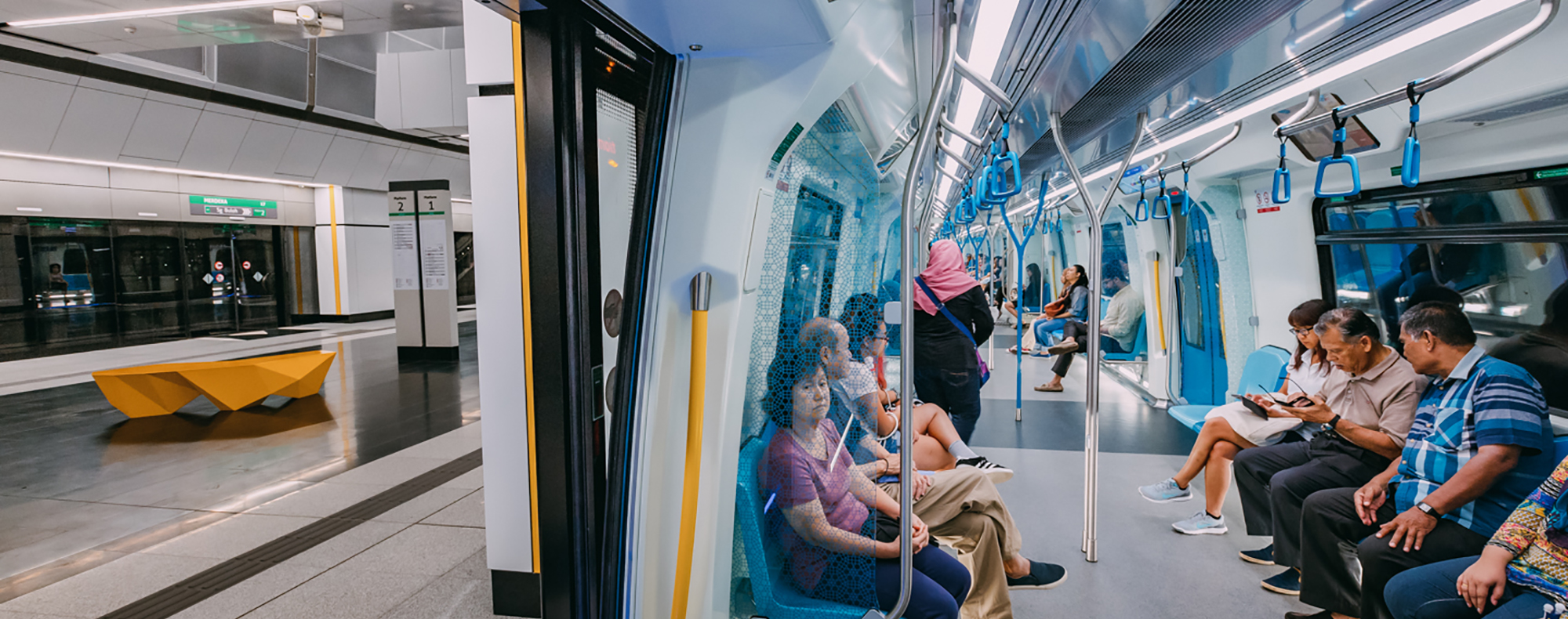
Like many Asian cities, Kuala Lumpur is experiencing rapid population growth. The Malaysian capital city has a population of 1.8 million, which is set to climb to 2.2 million by 2020. The Greater Kuala Lumpur-Klang Valley metropolitan region adds 6 million more inhabitants. Rapid population growth and urbanization has stressed the region’s transportation systems and resulted in increased traffic congestion and poor air quality.
To keep the city and region moving, the region’s transit authority, Mass Rapid Transit Corporation (MRTC) is extending its mass transit rail lines. In July 2011, MRTC launched a massive rail line extension, the Klang Valley Mass Rapid Transit (KVMRT) system, one of the most ambitious transportation projects ever undertaken in Asia. It’s projected to ease traffic congestion and to increase the public transportation modal share from 18 percent in 2009 to 40 percent in 2020.
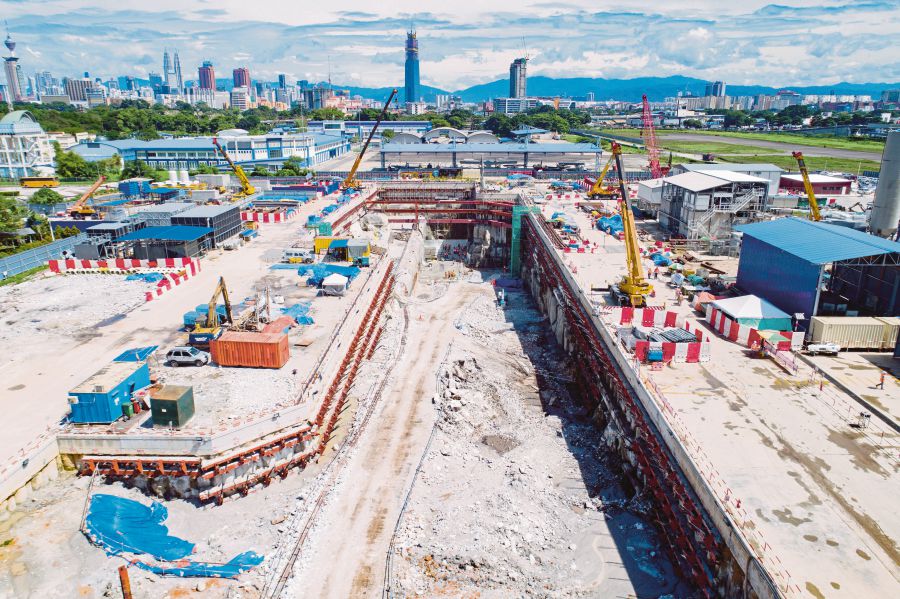
The first phase of the project, the Sungai Buloh-Kajang (SBK) Line, was completed on July 17, 2017. The second line, the KVMRT Sungai Buloh-Serdang-Putrajaya (SSP) Line, spans 52.2 kilometers, 13.5 kilometers of which is underground, and includes 35 stations.
MRTC faced many difficulties during the design and construction of the SBK Line. Setbacks occurred during construction because of design changes and site constraints. This caused confusion, delays, and increased costs.
MRTC wanted to do better on the SSP Line, which would involve 30 percent more consultants, all of whom would need direct access to a common database to continuously update design information.
“One of the key challenges faced with any mega civil construction project like ours is ensuring seamless information exchange and real-time collaboration, regardless of the platforms they are using,” says Seng Poh, Director of Planning and Design for MRTC. “The probability for error is high if information isn’t managed in a common data environment, especially in a highly collaborative project like ours.”
Collaborate in the cloud
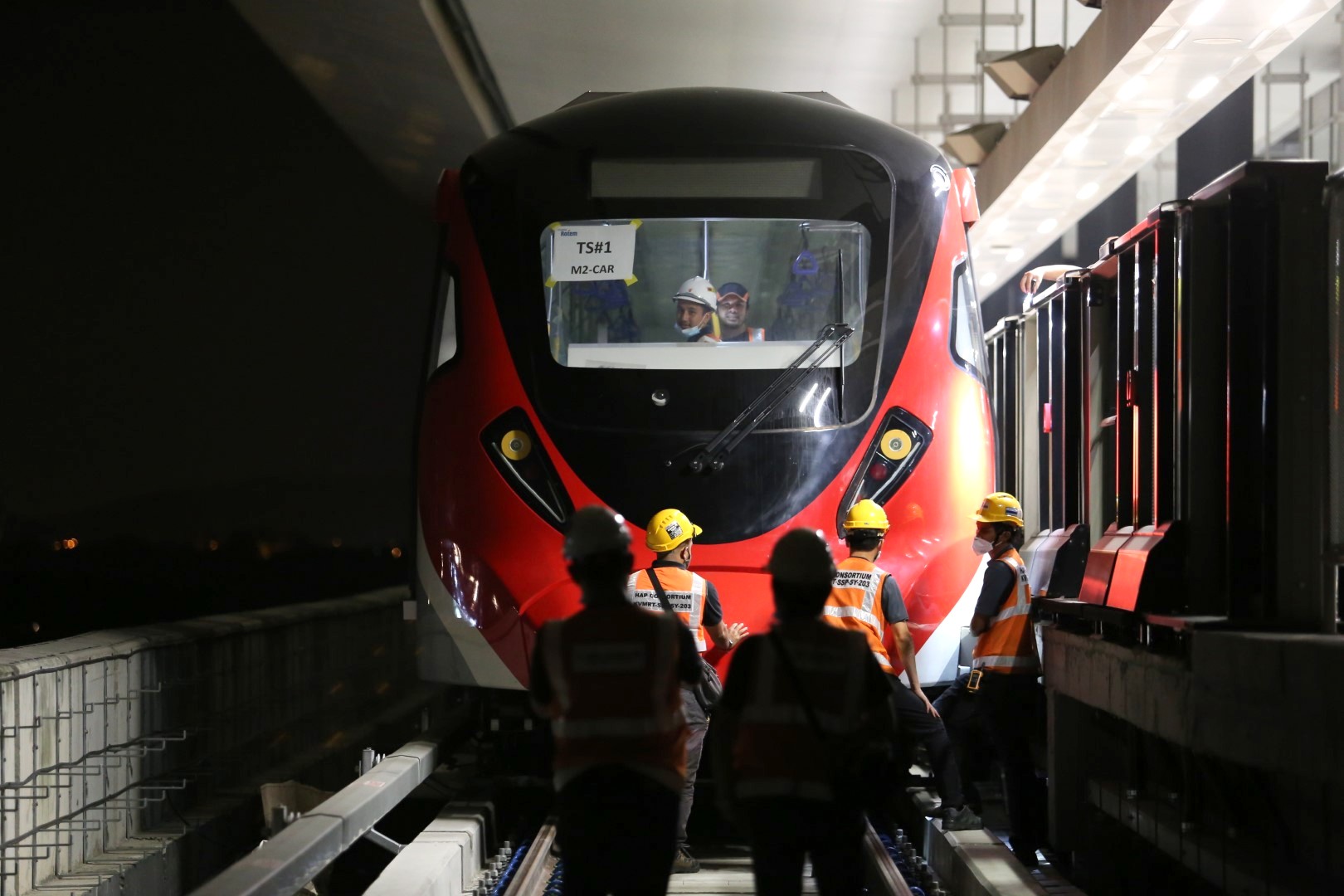
To minimize confusion, MRTC mandated the use of building information modeling (BIM) to improve design collaboration, construction feasibility, and accuracy of as-built information on the SSP Line. MRTC achieved BIM Level 2 accreditation from Lloyd’s covering all aspects of people, process, and technology. Consistent with a BIM Level 2 approach, MRTC is moving beyond 3D modeling and 2D drawing production to using digital information for all communication. MRTC contractors use digital engineering models across different locations for activities that include 4D construction planning and 5D quantity takeoffs.
The organization’s cloud-based connected data environment (CDE) enables true data mobility on this complex project, enabling the onsite team to retrieve design information wherever and whenever necessary.
MRTC partnered with Bentley Systems, a member of the Microsoft Partner Network and a leading provider of software solutions for engineers, architects, builders, and owner-operators, to create its cloud-based BIM system. MRTC uses Bentley’s CDE, which comprises cloud-provisioned services that help firms better manage and access consistent, trusted, and accurate information across the infrastructure asset lifecycle.
The CDE incorporates ProjectWise, Bentley’s information management and collaboration platform, which delivers improved collaboration and communication to streamline multidiscipline project delivery. It also uses AssetWise, Bentley software that integrates configuration and change management best practice to ensure delivery of accurate information to operations and maintenance. Both solutions run in Microsoft Azure using a software as a service (SaaS) model, allowing all disciplines to work dynamically in a federated model for coordinated design and enabling the integration of design and asset information with operation and maintenance systems to ensure optimal asset performance throughout the project lifecycle.