

A New Challenge: From Patient Care to Diagnostic Medicine, a Doctor Learning AI to Apply in Clinical Practice
After 13 years in aesthetic medicine, Dr. Hyonyoung Lee began her training in pathology, taking her first steps toward AI-integrated care.

As time went by, I began to feel the limitations of the work I was doing. Reflecting on what I truly wanted, I started searching for new opportunities.
Dr. Hyonyoung Lee, now a first-year pathology resident, spent 13 years in aesthetic practice helping patients address their concerns. Though the experience was meaningful, she felt that her well-trained medical knowledge was confined to a narrow scope.
She found herself less drawn to visible outcomes and more inspired by the core values and depth of medicine. Wanting to apply her strengths in a more foundational field, she entered a period of reflection—one that soon sparked a growing need for change.
A Turning Point in San Diego: The First Encounter with Pathology
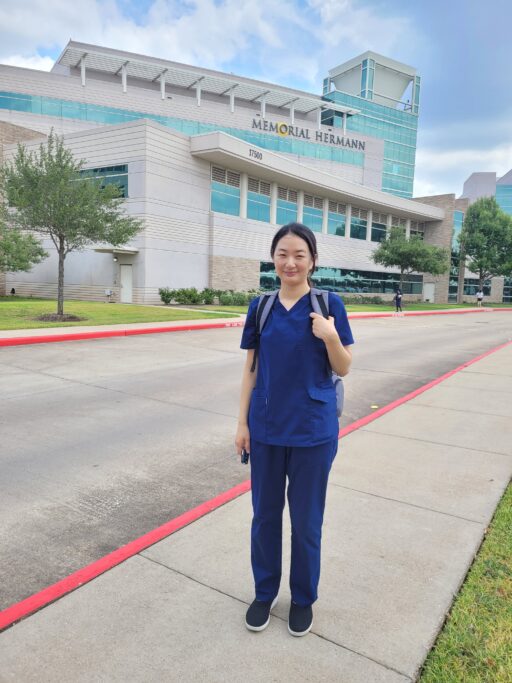
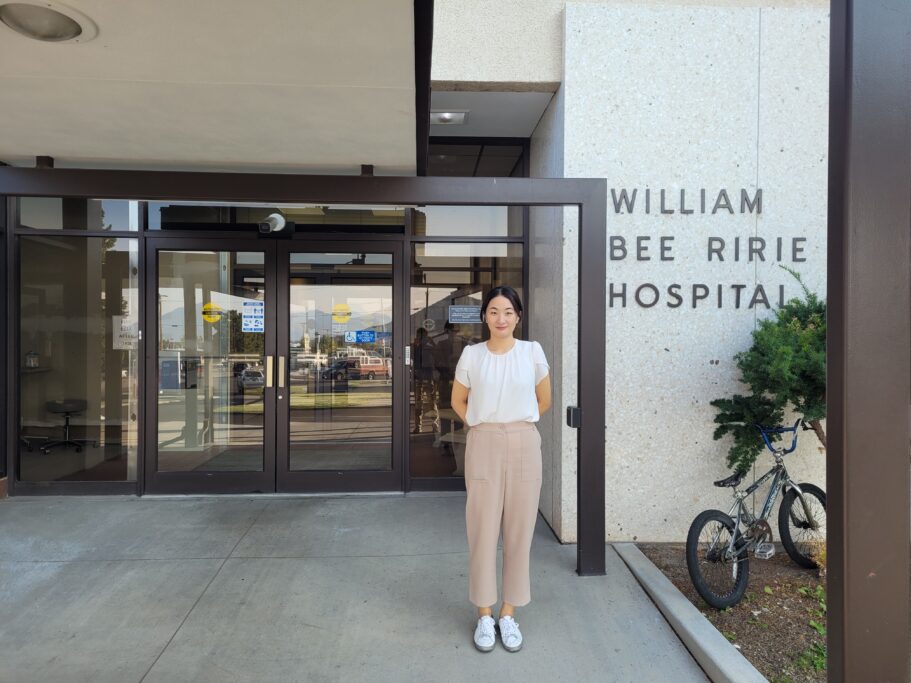
The turning point came unexpectedly during her observerships at hospitals across the U.S. It was through the hematology-oncology program at the University of California, San Diego Medical Center that she first encountered pathology.
Her initial goal was simply to observe the U.S. healthcare system. But during a multidisciplinary meeting, she witnessed a pathologist analyzing tissue and delivering a diagnosis — a moment that deeply resonated with her.
“During a multidisciplinary meeting where various departments collaborated, I was deeply struck by a pathologist who analyzed tissue and delivered a diagnosis. Although they don’t interact directly with patients, they act like strategists—seeing the essence of the disease. That moment felt like the perfect fit for me.”
Working alongside teams to unravel complex diagnostic cases, she found her intellectual curiosity deeply awakened.
While pathology is often regarded as a quiet specialty, its steady and analytical nature resonated with her. The process of uncovering disease through meticulous analysis felt like a return to the essence of medicine she had long yearned for.
Facing the Unknown: Stepping into the World of AI
After returning to Korea, Dr. Lee began to explore pathology with greater intention. Drawn to its focus on diagnostic fundamentals, she also recognized that AI was quickly becoming an essential part of the field.
“I didn’t know much about AI—honestly, the only thing I associated it with was my AI-powered washing machine. But I began to believe that doctors would soon be divided into those who understand AI and those who don’t. That realization led me to set a clear goal: to become a clinical-research hybrid expert with strong AI proficiency.”
To her, AI had always been a vague and unfamiliar concept. But witnessing its active adoption in the medical field prompted her to ask herself, “What should I be preparing for?”
Starting later than most, she felt a strong sense of urgency. Simply learning the technology wasn’t enough—she was determined to bridge the gap between technology and clinical practice.
The First Step as a Hybrid Medical Professional: Microsoft AI School
Her initial fear of AI became the very reason she chose to embrace it. Although the technology felt unfamiliar and intimidating, she saw new possibilities emerging at the intersection of healthcare and AI. Motivated by that vision, she joined the 5th cohort of the Microsoft AI School—a program organized by Microsoft in partnership with Korea’s Ministry of Employment and Labor, as part of the K-Digital Training initiative to empower young professionals.
The program was intense. Classes ran for eight hours a day and were filled with unfamiliar terms and concepts. She spent countless late nights reviewing materials and often felt out of place while working on team projects alongside computer science majors.
“While working alongside IT majors, I often questioned what value I could bring. At times, I thought stepping aside might help the team more. But through repeated efforts, I gradually discovered my own autonomy and confidence.”
From the second project onward, she began to find her footing. Her real-world medical insight helped anchor the team’s ideas in practical application.
While her teammates focused on development, she concentrated on how the solution could integrate into a clinical setting. Adding relevance and usability felt like placing the final piece of a puzzle—and in that moment, she realized this was the role for her.
As a result, her team placed first out of 15 teams in the second project and earned second place in the third. Their emphasis on real-world relevance over technical complexity strongly resonated with the judges.
The third project addressed a specific challenge in healthcare: the communication gap between patients and medical professionals. Dr. Lee identified frequent misunderstandings and disputes that occur during surgical consent procedures and proposed an AI-driven solution to bridge that gap. She led the development of an AI chatbot designed to clarify and streamline the consent process.
The team developed a chatbot that summarized key points from patient consultations in clear, accessible language. They also added features enabling medical staff to search for and summarize academic literature. By reflecting the context of the medical field in their solution, their work resonated strongly with both the judges and fellow participants.
“I have always been accustomed to rote learning. But learning AI, we were challenged to define problems and develop solutions on our own. That shift toward exploratory learning became a tremendous asset in my growth as a pathology researcher.”
Designing the Future of Diagnostics
Now in her first year as a pathology resident, Dr. Lee is deeply engaged in research and is even considering pursuing graduate studies. During her residency application, she clearly articulated her vision for AI-integrated medicine and her aspiration to become a research-driven pathologist in academic medicine.
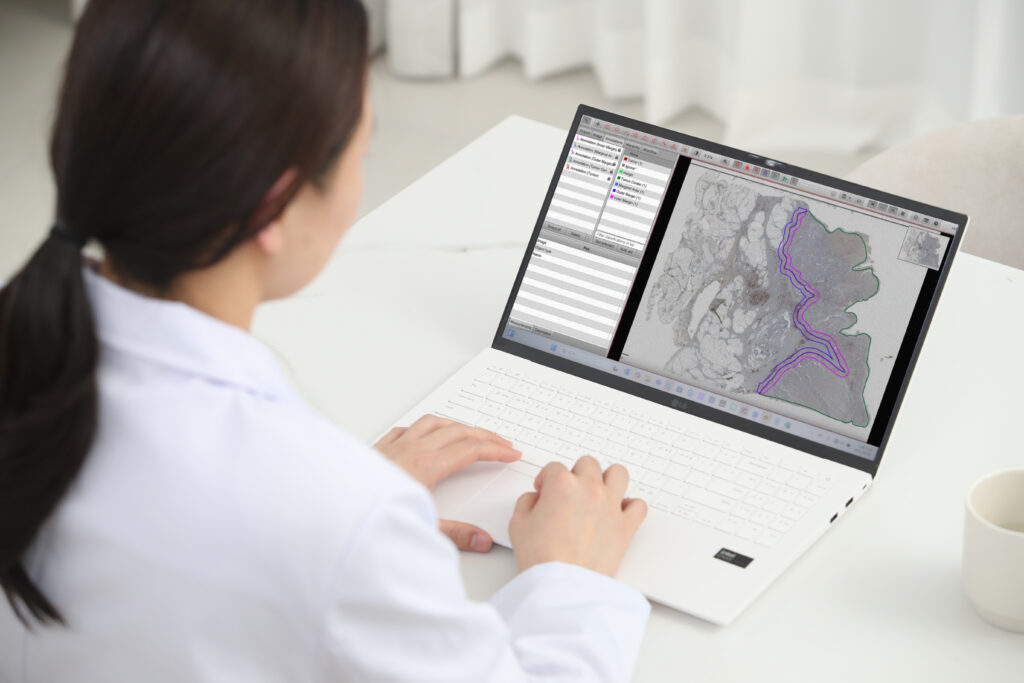
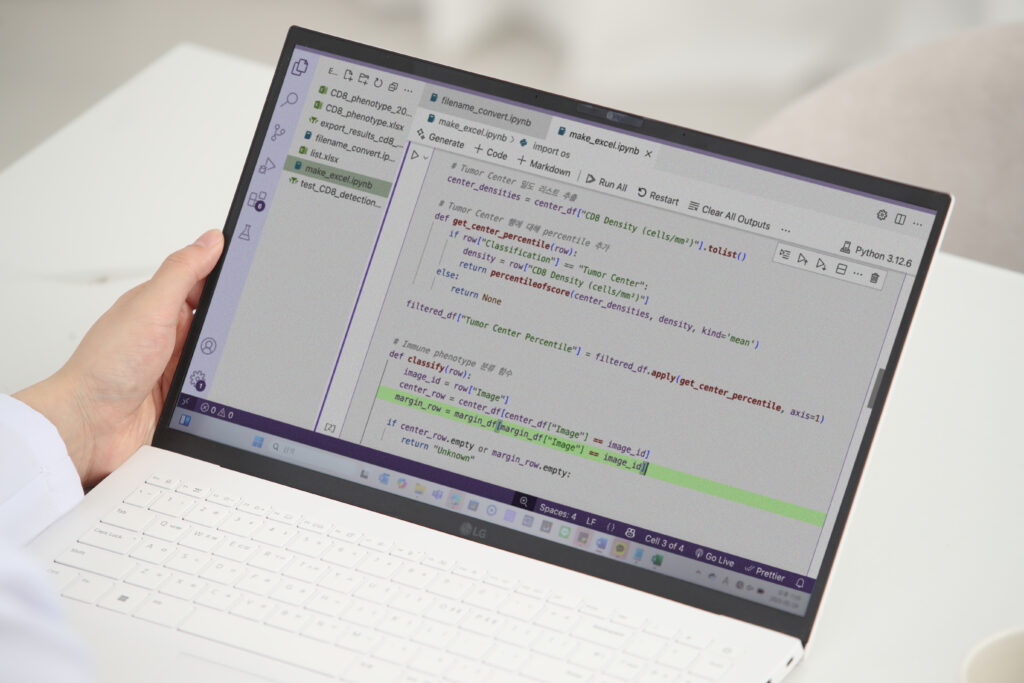
Dr. Lee is currently working with her advising professor on a project focused on AI-based tumor immunophenotyping. She uses the Python and Visual Studio Code skills she gained through the Microsoft AI School to structure and analyze data. Leveraging her experience with large language models, she uses Copilot to study research papers more efficiently.
“Looking back on medical school, I realize we’re living in a truly transformative era. What once took five hours—summarizing a paper or a textbook chapter—now takes just one with Copilot. I can even grasp the key points of a three-hour lecture in only 30 minutes.”
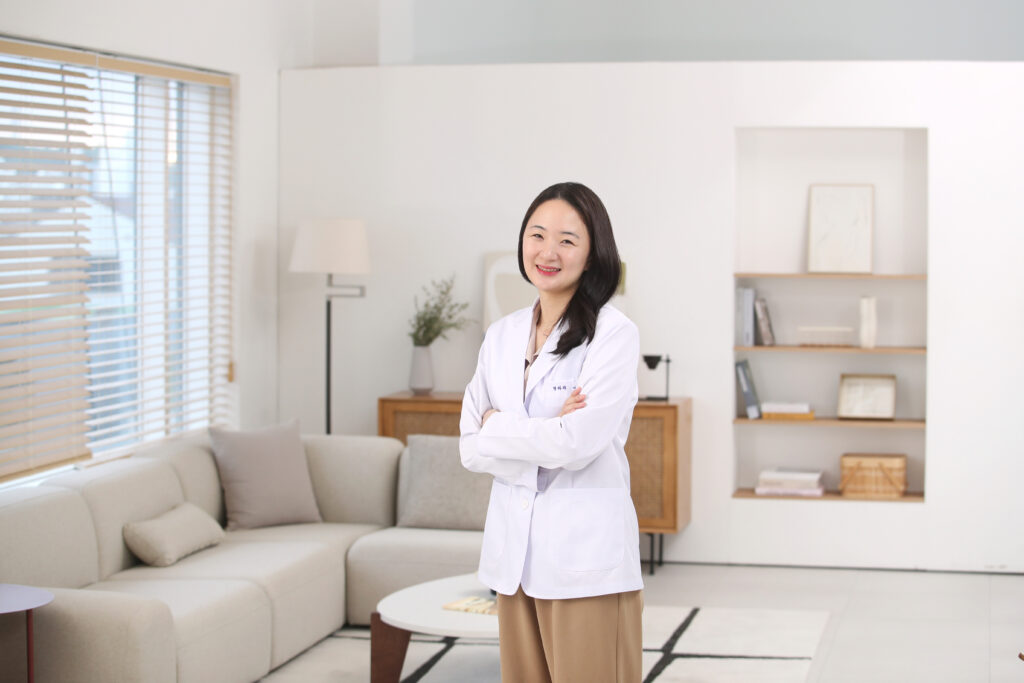
Dr. Lee, a mother herself, admits that she had many reservations before deciding to pursue residency later in life. However, studying AI helped her overcome those doubts and societal expectations.
She believes that anyone—regardless of academic background or career—can change the direction of their life by learning AI. She views it as a particularly valuable tool for individuals preparing to re-enter the workforce after a career break, as well as for people seeking to transition into a new field. For those on the verge of change, AI can help lower the barrier to entry.
“People say it’s harder to adapt as you get older, but studying AI gave me the confidence to believe in myself. With an open mind, AI can become a turning point in anyone’s life.”
Dr. Lee isn’t done challenging herself. With the confidence she has gained through learning and applying AI, she is creating small but meaningful changes in her day-to-day work. Looking ahead, she hopes to continue evolving at the intersection of medicine and technology.

As a pathologist dedicated to uncovering the essence of diagnosis and a hybrid medical professional bridging clinical knowledge with technology, her journey isn’t loud—but it is steady. With clarity and purpose, she continues to move forward into the future.