


- Microsoft, together with State Secretary Alexander Pröll, is opening a datacenter region in Austria.
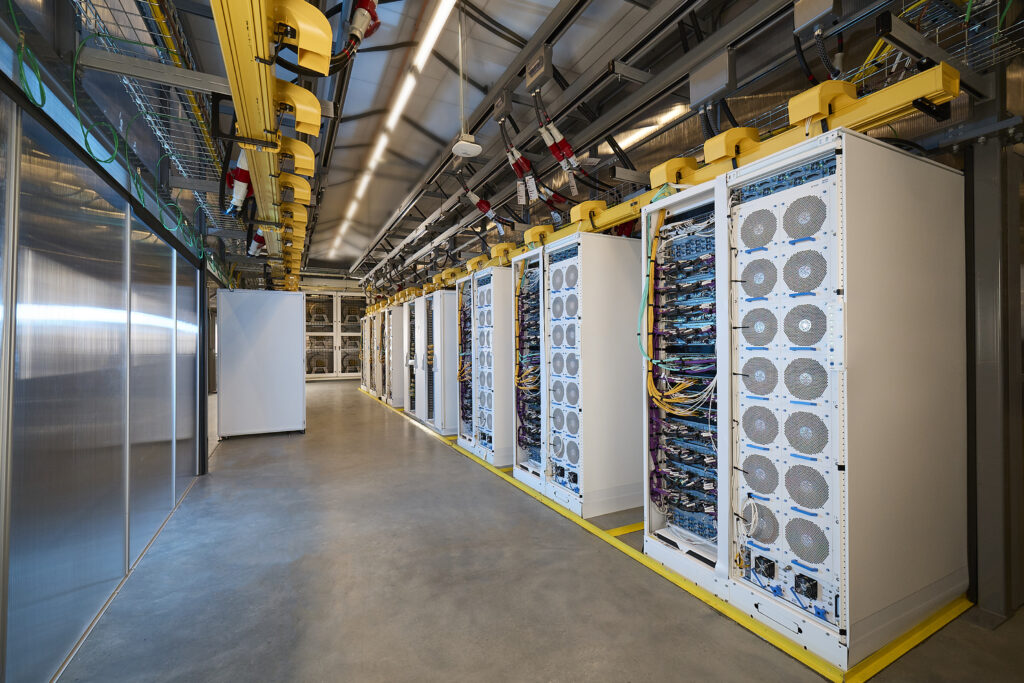
- Launching in August 2025, the local cloud region will consist of three datacenters around Vienna, offering businesses and the public administration access to advanced cloud and AI technologies while providing secure, data-compliant storage within Austria.
- Together with its partners, Microsoft has set itself the goal of training a total of 300,000 people in Austria in digital skills by the end of 2025
At a joint press conference with State Secretary Alexander Pröll in Vienna on June 30, 2025, Microsoft officially inaugurated the new cloud region in Austria. Starting in August 2025, this new cloud region will allow Austrian organizations to securely and compliantly store and process their data locally. Following the opening of the AI Innovation Factory in Vienna in March this year and its ongoing skilling initiatives, Microsoft Austria takes the next step in advancing the country’s digital competitiveness for the long term.
A Cornerstone for Austria’s Digital Transformation
The investment in Austria’s digital infrastructure strengthens the nation’s economy and is part of a comprehensive technology initiative aimed at accelerating the adoption of artificial intelligence (AI) and cloud technologies. At the heart of this initiative is the new cloud region with three availability zones in the Vienna area. This locally based infrastructure provides a central platform for the country’s digital sovereignty. Businesses and organizations of all sizes – from small enterprises to large corporations and public administration – benefit equally from cutting-edge cloud technologies delivered directly on-site.
State Secretary Alexander Pröll: „The investment in the data center strengthens Austria as a business location and creates the foundation for innovation. At the same time, it represents a strong commitment to Austria as a digital hub. But our goal goes further: We must think European and act nationally. This is how we want to make Austria and Europe digitally sovereign. This means keeping technology in our own hands, maintaining dialogue with partners like Microsoft, and assuming responsibility for a resilient digital infrastructure in Europe.“
Hermann Erlach, General Manager Microsoft Austria: „The use of AI is one of the key drivers for innovation and productivity in the Austrian economy. Combining AI with datacenters allows us to fully harness the potential of new technologies. With the new cloud region, we aim to work alongside our customers and partners to accelerate Austria’s digital transformation and foster the responsible deployment of AI across the country.”
Economic effects of cloud technologies
A new study by the economic research institute Economica shows that the use of cloud technology is essential for increasing the level of digitalization. This, in turn, enables companies to manage data more efficiently and securely. Digitalization leads to direct, measurable business success: the increase in revenue per digitalization level is 8.3 percent.
In addition to the short-term economic effects during the initial phase, new and additional value creation, employment, and fiscal effects arise in the medium term from the operation of cloud infrastructure. Furthermore, cloud technologies, through their function as enablers, can lead to positive effects on innovation, the availability of skilled workers, and progress towards a resilient and green economy.
According to the Economica Study from 2024, the widespread adoption of AI could increase Austria’s GDP by up to 18% – equivalent to the combined economic performance of Vienna and Styria. The prerequisite for this is a powerful digital infrastructure.
A Secure Digital Infrastructure in Austria
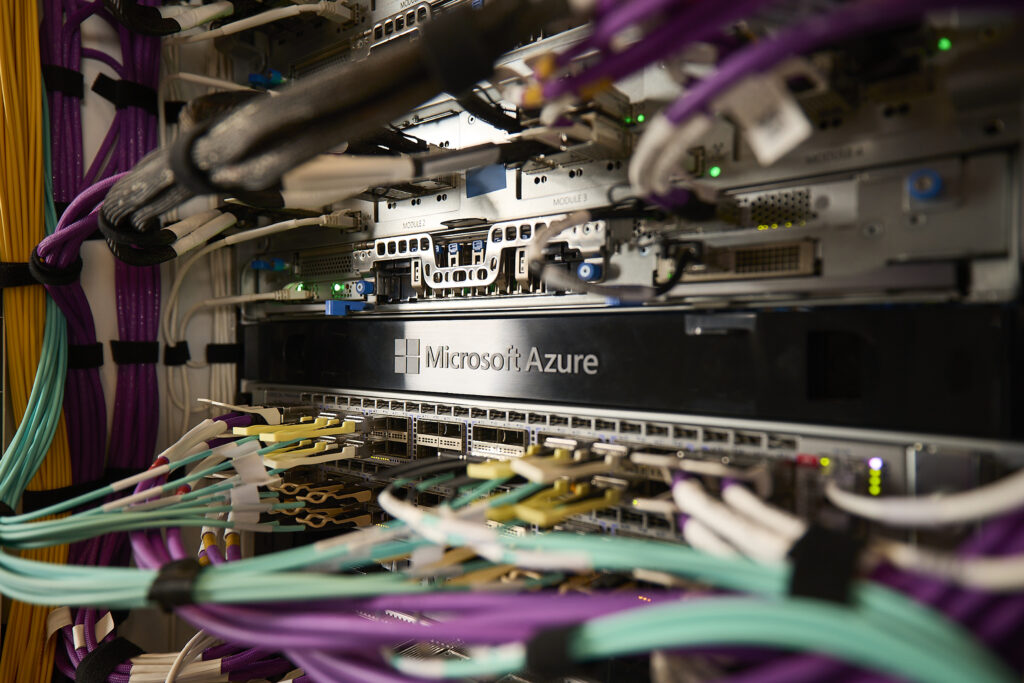
„With our new cloud region, we are creating a secure and sustainable digital infrastructure directly in Austria. For businesses and the public sector, this means they retain full control over their data – locally and in compliance with data protection regulations – while benefiting from the innovation and scalability of Microsoft’s global cloud with minimal latency. At the same time, we are investing broadly in individual and corporate skilling measures to facilitate the use of these new opportunities. Because only the usage of innovation creates benefits and added value“, added Florian Slezak, Cloud Region Lead Microsoft Austria.
The launch of the datacenter region in Austria follows Microsoft’s announcement of new European digital commitments in May. This includes expanding cloud and AI infrastructure across Europe and a promise to uphold Europe’s digital resilience regardless of geopolitical or global economic developments.
Austrian organizations will soon be able to locally access Microsoft services such as Azure, Microsoft 365, and Power Platform, simplifying secure data management and compliance with GDPR. Additionally, the local cloud region helps Austrian businesses adhere to EU and national compliance regulations, such as the NIS2 directive. Early adopters from varied industries, including Raiffeisenlandesbank Oberösterreich, Umdasch Group, and Kapsch TrafficCom, are already running Azure workloads from the Austria datacenter region.
Regional Responsibility: Energy Transition & Training Initiatives
The total energy consumption of all Microsoft datacenters will be covered 100 percent by carbon free energy purchases by the end of 2025. In Austria, Microsoft is working with VERBUND to utilize Austrian hydropower from the Mayrhofen/Tuxbach and Freudenau power plants.
Microsoft also remains committed to enhancing Austria’s digital skills. Through the “Make Today Tomorrow Possible” initiative, launched in 2022 in collaboration with over 250 supporting organizations, more than 200,000 people in Austria have already received skilling opportunities. By the end of 2025, Microsoft and its partners aim to train a total of 300,000 individuals in digital competencies across Austria.
Fotocredits (C): Microsoft
More pictures can be found in the APA photo gallery: Österreich gemeinsam digital stärker machen | Microsoft Österreich GmbH | APA-Fotoservice