Digital Transformation
Crowdsourced data and Azure squash fruit fly marauders
 Isabel Boniface
SMB Marketing Lead, Microsoft Australia
Isabel Boniface
SMB Marketing Lead, Microsoft Australia
I don’t know about you – but one of the most irritating things about the family fruit bowl in summer is shooing away fruit flies which seem to take up residence in the warmer months.
I’m particularly deft at swatting them with a tea-towel, but that’s not an option when you’re running a full scale orchard.
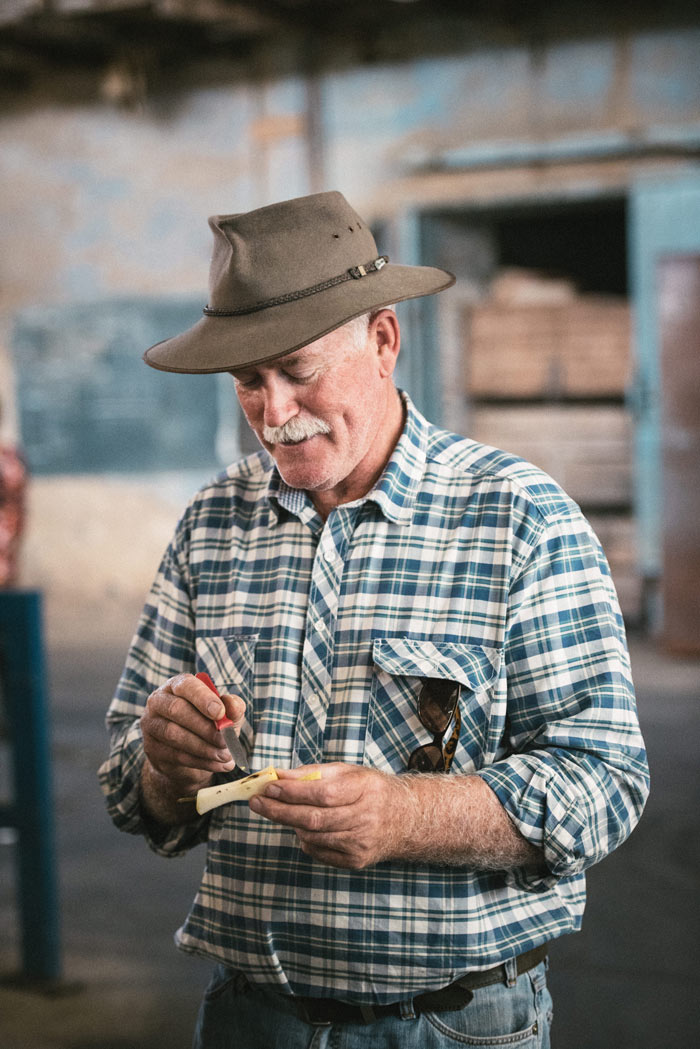 Greenwood Orchards have been in the same family since 1896. Lynton Greenwood, who describes himself as the caretaker of the property, knows all too well that the business remains at the mercy of the tiny marauding fruit flies – or Drosophila to give them their full Latin honours.
Greenwood knows local farmers who have lost up to 90 per cent of their crops because of fruit fly. It’s heartbreaking.
To combat the problem farmers already use traps – but it can be hard to predict when an infestation is nigh and when baiting should be stepped up. Unless, that is, you can enlist the help of a grass-roots army of locals.
That’s exactly what regional IT services specialist Advance Computing has done with a smartphone app that locals can use to record the numbers of fruit flies in their back yard or farm traps. When that data is uploaded to Azure, along with the GPS co-ordinates of the smartphone it’s possible to detect patterns and map the farms most at risk.
As Lynton says; “Everybody can gain if we work together. That’s where this app comes in. It’ll map where the traps are, give us a reading, then we can concentrate our controls”.
Right now locals have to self-check their traps, count the flies and upload the data. But in the future smartphones could be used to take a photo, then upload that to Azure where Cortana image recognition would automatically identify and count the pests.
Advance is also talking to the manufacturers of automated traps about how to automatically upload data to Azure.
Without a single swat of a tea towel it’s a case of Azure 1: Drosophila 0.