How digital inclusion can help transform communities
This fall, Microsoft announced its Nonprofit Tech Acceleration for Black and African American Communities program, which uses data, technology and partnerships to help local organizations across the country with technical solutions essential to their work.
The short-term goal of the program is to help 1,000 community-based organizations access technology and use it effectively. In the first four weeks following its launch, the program connected with 200 organizations. This is part of Microsoft’s overall commitment to better serve Black and African American communities.
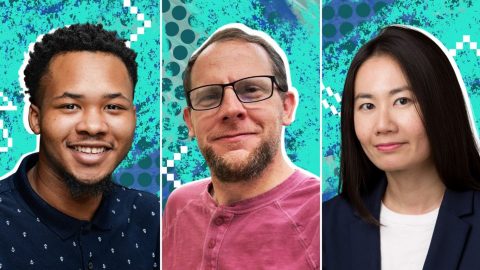
Here, the program’s manager, Darrell Booker (pictured), talks about this Microsoft initiative and the transformative impact it could have. This interview has been edited for length.
Why is the Nonprofit Tech Acceleration program so important?
When you look at the stats, between 2016 and 2018, $2.2 billion was given by 25 foundations to nonprofits across 25 U.S. cities; only 1% of that went to organizations serving the Black and African American community.
Many of these nonprofits provide direct services to their communities, and when they don’t have access to the funds they need, they lag behind on technology. So, the quality of those direct services is subpar, just due to the inequities.
[READ MORE: Everyone should have access to digital skills. New grants aim to help]
What kinds of technical assistance does the program offer?
Our community-based initiative provides technology grants to these nonprofits, including licenses for Microsoft Azure and Microsoft 365 Business Premium. Microsoft 365 Business Premium alone is a lifesaver for some organizations, where paying for it is somewhat of a barrier. And we jumpstart them using it. Not only making sure they can activate and use it, but that they can use it effectively. For instance, helping them understand how to use Teams to better collaborate internally and as a better way to store documents.
We’re also offering longer-term assistance to some of the nonprofits with the ability to have the highest impact in their communities.
How important is this community focus to making progress on racial inequity?
It’s absolutely key. If you look at what’s been brought to the forefront in our country over the past five-plus months, things are happening at a community level.
The only way we’re going to make a change is with this hyperfocus at the community level, all across the country. Our communities are where we live, work, study, play – so we need to pump all the necessary resources into improving them.
What keeps people who work in nonprofits going every day is knowing the work they’re doing is actually making a difference, and that there’s someone willing to assist them along the way.
[READ MORE: Addressing racial injustice]
What kind of impact will the program have on the communities the nonprofits work with?
We want to bring technological efficiency to how some smaller nonprofits in the Black and African American community are working.
If they say that, because of you, we can now work with 15 youths a week instead of 10 – in that community, if five extra people being able to access that program is making a difference and that nonprofit feels like it’s making a difference, that is a success.
Do you think participation in this program will help nonprofits get additional funding?
I believe that, hands down. Funders may be less hesitant to provide funds if they know the nonprofit has its tech house in order. But it also allows those funders to ask for certain things. When it comes to data reporting on outcomes and impacts, if the funder knows the nonprofit has some form of a data warehouse, they’ll be in a better position to fund them.
What else will it take to create real change?
I think what it takes to have real change is funders really caring and doing what’s best for a cause or community. So not just checking a box and moving on when the news cycle has changed, but putting hard dollars behind multifaceted, multiyear programs. It’s going to take more organizations to step outside of their comfort zones and start figuring out how they can help with some of these social issues. That’s what’s really going to make a difference.
My ultimate goal is to bring awareness to these nonprofits that technology should not be a barrier. It’s a necessity and it’s available – and through embracing it, you can have the biggest impact possible.
Follow @MSFTIssues on Twitter.