


From coast to coast to coast, Canadian organizations of all sizes are leveraging Microsoft AI in remarkable ways. From improving healthcare outcomes, enhancing education and preserving Indigenous languages, to strengthening environmental sustainability and combatting natural disasters, AI is a powerful tool that is helping Canadians bring meaningful impact and positive change across the country.
Here are five ways Microsoft AI is being leveraged as a force for good across Canada.

Preserving Culture in the Digital Age
Language is more than just communication—it’s identity, culture, and history. Yet, many Indigenous languages are at risk of disappearing. To help preserve and promote Inuktitut, the Government of Nunavut partnered with Microsoft to launch Inuktitut text-to-speech (TTS) functionality, making the language more accessible in digital spaces while safeguarding its future.
This initiative, part of the Preservation and Promotion of Inuktut Through Technology Project, introduced two neural text-to-speech voices—Siqiniq and Taqqiq—built with Azure AI Speech services. These tools allow Inuktitut speakers to hear stories, lessons, and critical information in their language, strengthening their presence in schools, healthcare settings, and beyond.

Preparing Students for the Future
AI is reshaping education and career development, equipping students with the skills needed for an AI-driven economy. Seneca Polytechnic and the University of Waterloo, in collaboration with Microsoft, are leading this transformation.
At Seneca, an AI tutor powered by Azure OpenAI provides personalized support, generating quizzes, offering feedback, and enhancing learning for students of all abilities, while also enabling simulated job interviews based on real job postings through the InStage platform, helping students prepare for the workforce. At the University of Waterloo, AI assistant JADA (Job Aggregator Digital Assistant) also powered by Azure OpenAI, helps co-op students by aggregating job listings, providing AI-driven job matches, and offering real-time support for job searches and career-related questions to help them find their ideal co-op placement.
Fighting Wildfires
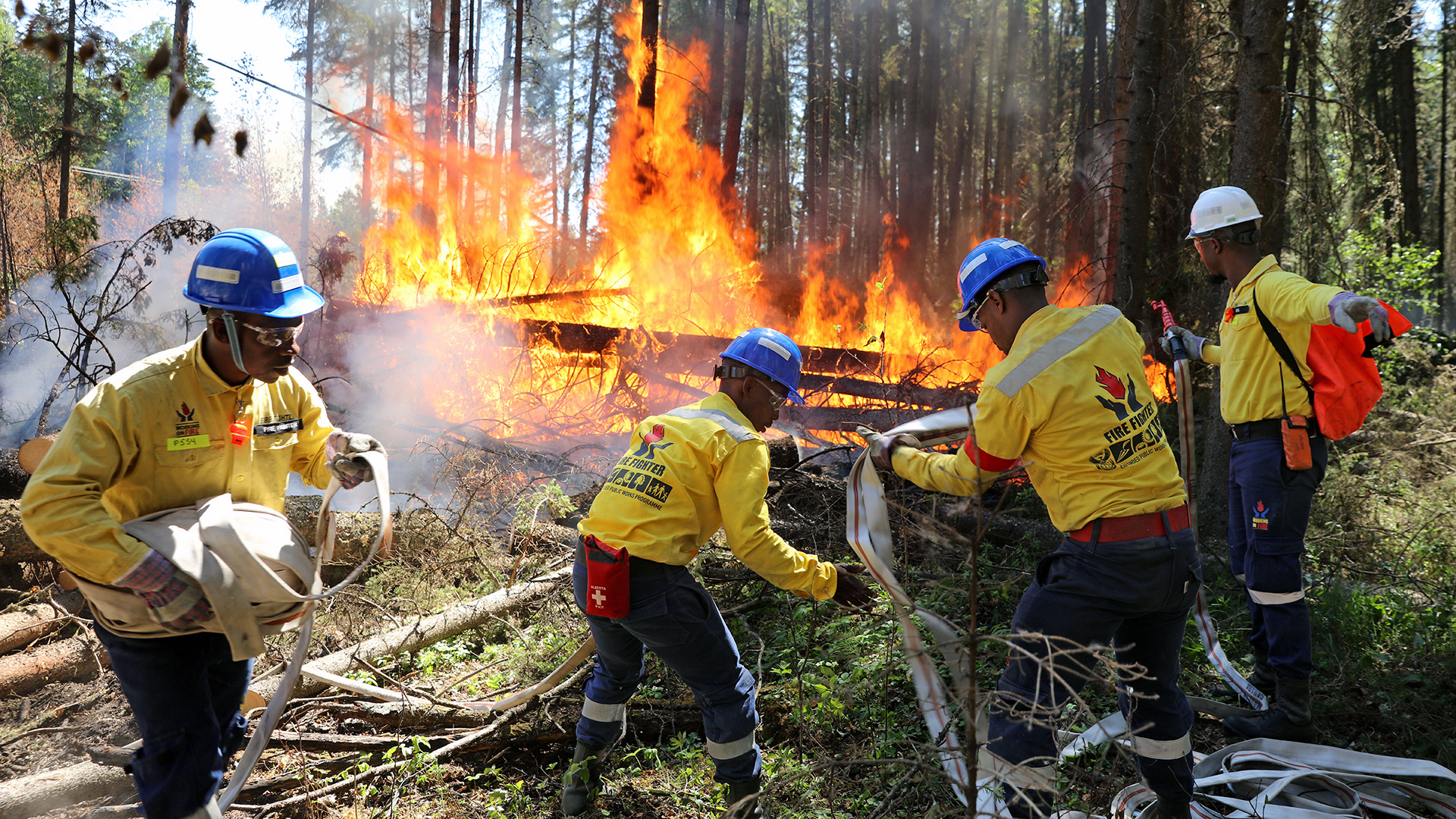
As climate challenges intensify, AI is playing a critical role in protecting communities. Alberta Wildfire, in partnership with AltaML and Microsoft, leveraged AI to help predict and respond to wildfires more effectively. Powered by Microsoft Azure Machine Learning, an Azure AI service, AltaML’s wildfire occurrence prediction system analyzes vast amounts of data—including weather patterns, carbon emissions, and historical fire records—to provide daily wildfire predictions. With AI-driven insights, wildfire managers can make faster, more informed decisions, ensuring that Canada’s vast forests and communities remain protected.

Revolutionizing Healthcare
The healthcare sector is under immense pressure, with physicians facing growing administrative burdens that take time away from patient care. To help combat physician burnout, The Ottawa Hospital worked together with Microsoft to become the first Canadian hospital to trial DAX Copilot, an AI-powered tool designed to assist doctors by automating clinical documentation. Using ambient, conversational AI, DAX Copilot records physician-patient discussions and generates draft clinical notes, which doctors can review and finalize in electronic health records. By reducing administrative workload, physicians can spend more time with patients while improving efficiency in hospital operations.
Healthcare technology company Hero AI is transforming healthcare by leveraging Microsoft Azure AI to improve patient outcomes and support clinicians. Founded in Toronto in 2020, Hero AI integrates advanced AI technologies to reduce wait times, shorten patient stays, and enhance hospital capacity. Hero AI has a use case that’s currently deployed at The Hospital for Sick Children in Toronto and is helping to reduce patient wait time by 55 per cent, giving the emergency room an extra 200 hours of room capacity within the past 6 months and getting kids the care they need faster.

Reshaping Retail Experiences
Canadian Tire is using AI to simplify one of the most complex retail purchases experienced by Canadians of all ages and stages—buying tires. Powered by Azure OpenAI, the retailer’s AI assistant, CeeTee, helps customers find the right tires by providing real-time recommendations, stock availability, and product comparisons through a conversational AI interface. With 80% of in-store purchases starting online, Canadian Tire developed CeeTee to remove friction from the shopping experience, customers can make informed decisions before arriving at a store.