LinkedIn data scientists offer vital insights for job seekers
The COVID-19 pandemic is spurring a global recession. According to Microsoft’s calculations, the number of unemployed people could reach a quarter of a billion this year. And restrictions on travel and public gatherings have upended traditional learning and development programs.
Understanding the skills employers need most right now is vital for jobseekers. We sat down with two data scientists at LinkedIn to find out how data is providing a clearer picture of what the job landscape looks like and how people can better equip themselves with the skills employers want.
[Subscribe to Microsoft On the Issues for more on the topics that matter most.]
LinkedIn’s research and analysis of data regarding jobs and employment has provided a detailed breakdown of the 10 jobs that are in-demand – all of which rely on strong digital skills:
- Software Developer
- Sales Representative
- Project Manager
- IT Administrator
- Customer Service Specialist
- Digital Marketing Specialist
- IT Support / Help Desk
- Data Analyst
- Financial Analyst
- Graphic Designer
The DNA of a skill set
LinkedIn offers users assessments and quizzes on skills-based topics. These provide individuals with the opportunity to gauge their level of digital competence, providing snapshots that allow them to make better-informed decisions regarding their learning and development.
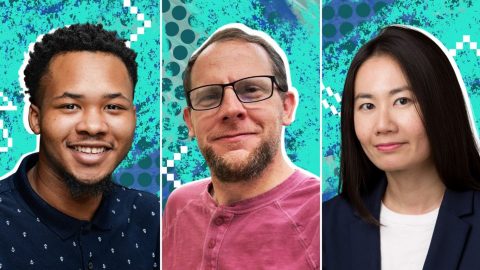
“We also have information on job postings,” says Carl Shan, a senior data scientist at LinkedIn. “And through a combination of these different data sets, we can create a variety of tools that help people gain insights that are unique to LinkedIn.”
One example is the LinkedIn skills genome, which shows how roles that, on paper, might appear to have overlapping requirements are not as similar as they seem. This is crucial information that can help candidates better prepare their resumes to speak specifically to their desired role.
To an outside observer, the distinction between some jobs in the technology industry might be impossible to discern. But to those inside the industry, or looking to break into it, those differences can be hugely significant – and understanding them could be critical to acquiring the right skills and thus getting hired.
“A data scientist is different from an AI researcher, and is different from a robotics engineer. Even if a regular person may not be able to tell these differences, with our data, we can get a sense of it,” says Shan.
Increasing your hiring potential
Hilton Lam, Insights Analyst at LinkedIn, also worked on the skills analysis and agrees that some people are more at risk from the downturn caused by COVID-19 – especially those whose education ended at high school.
“Around 80% of the jobs at risk because of COVID-19 are held by people who do not have a tertiary degree,” according to a McKinsey & Company report from April that looked at employment vulnerability in Europe. “The acceleration of digitalization and automation that’s happening because of COVID-19 is actually hurting people without tertiary degrees the most.”
Lam’s work in identifying alternative routes to training and careers was pivotal in the creation of the top 10 list. He believes in opening employment and skills opportunities to those without university and college degrees.
But there is a role for employers to play here, too. “In order to actually attract people who want to change careers, employers have to play their part by hiring for skills instead of on the basis of academic qualifications,” says Lam.
[READ MORE: Skilling for the future: New investments in Microsoft Learn]
The Microsoft global skills initiative is aimed at advancing digital skills for 25 million people worldwide by the end of the year. Microsoft is providing free access to courses and content in LinkedIn Learning, Microsoft Learn and the GitHub Learning Lab to help people develop the skills needed for these jobs, offering low-cost certifications and free job-seeking tools to those looking for employment, and is working with nonprofits to roll out training programs in underserved communities.
For more on how Microsoft is equipping job seekers and employees for the Covid-19 economy, visit our dedicated skills site. And follow @MSFTIssues on Twitter.