Skip to content

Featured

20 results

How technology could help the Vikings build next year's ‘winning edge’

Each of the 32 teams in the National Football League has the same goal: to win a championship. In a league where every yard matters, teams are searching for any possible advantage they can employ to get ahead of their opponents.

For the Minnesota Vikings, who fell short of the postseason in 2025 but have high hopes for the upcoming campaign after finishing with five straight victories, player evaluation, free agency and the NFL Draft are critical elements of the offseason.

In assessing what happened last season and analyzing what steps they should take to make a championship push, the entire Vikings staff — from coaches to scouts to the front office — is using technology as a key component of its evaluation. Fortunately, the team has a powerful tool at their disposal to help with the process.

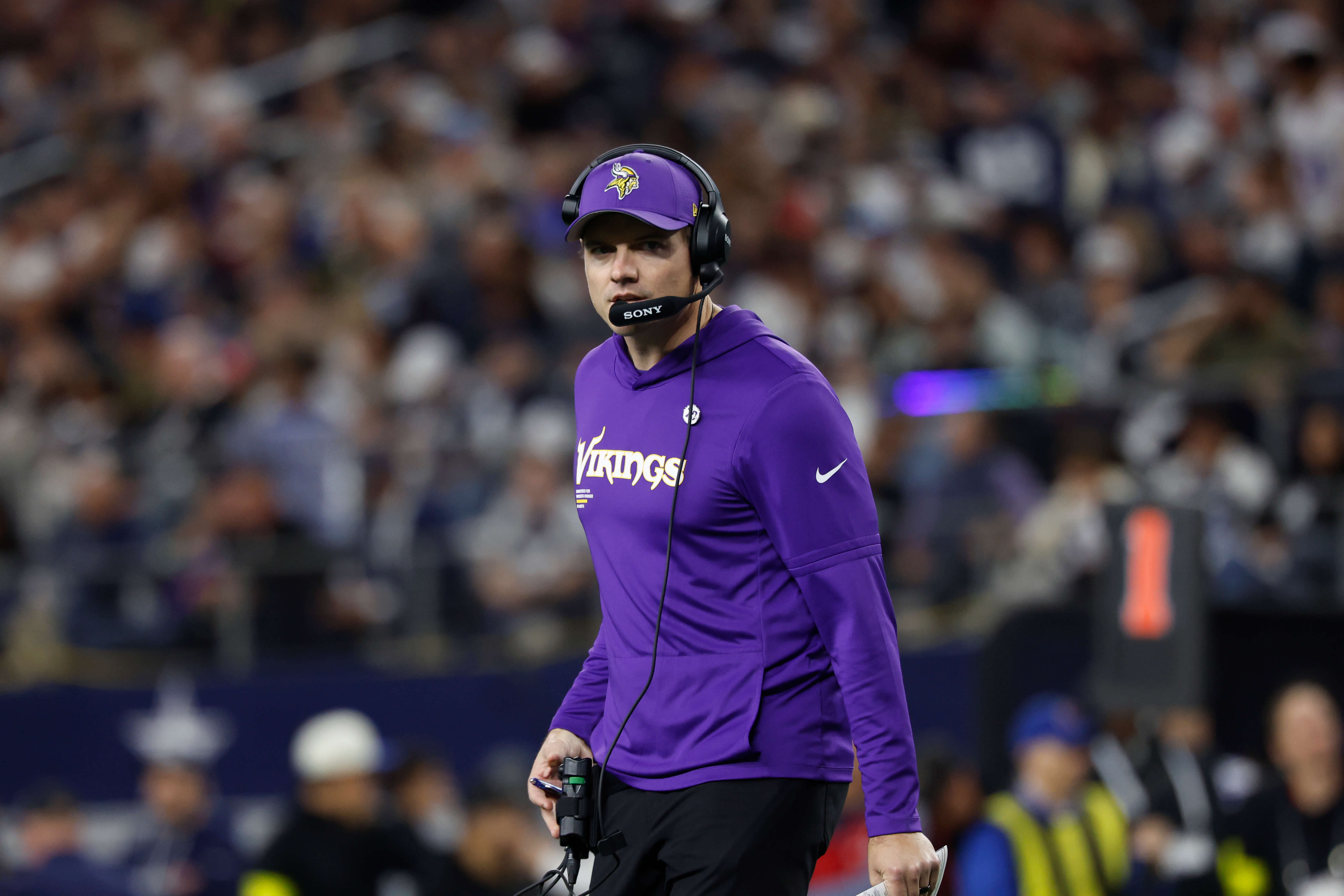
A coach in a purple Vikings shirt and headset stands on the sideline during a football game.

Opening digital markets so AI can shop — and negotiate — for you

Imagine a world where you have a digital assistant that can do more than just respond to your questions in a chat. In this future, you could send your assistant out to a digital marketplace to order your groceries, book a flight, or even negotiate the terms of your apartment lease.

These AI-powered agents could interact with agents from companies on your behalf and advocate for you — all without you needing to lift a finger.

That future isn’t just for the world of science fiction. In a paper published Thursday, Microsoft researchers say this kind of open agentic economy is the most beneficial way for AI to move forward, maximizing opportunity for both businesses and individuals.

Glowing digital cube with a shopping cart icon on a circuit‑board background.

4 things higher ed can do to lead in AI era

Higher education isn’t just a player in the age of AI, it needs to lead the way. A key way to do this, Juan M. Lavista Ferres, leader of Microsoft’s AI Economy Institute and AI for Good Lab, says, is by making AI literacy a core requirement while remaining true to its longstanding mission. Read on for Lavista Ferres’ four moves that he believes higher ed needs to make, ASAP.

Graduate raising diploma at sunset

4 ways AI is reshaping discovery, health, work and responsibility

As AI becomes part of everyday life, its impact is increasingly showing up in concrete ways: in how scientists approach discovery, how doctors make decisions, how questions of accountability and inclusion are addressed and how work gets organized.

In the On Second Thought video series, futurist Sinead Bovell speaks with four Microsoft researchers and subject matter experts working directly in these areas.

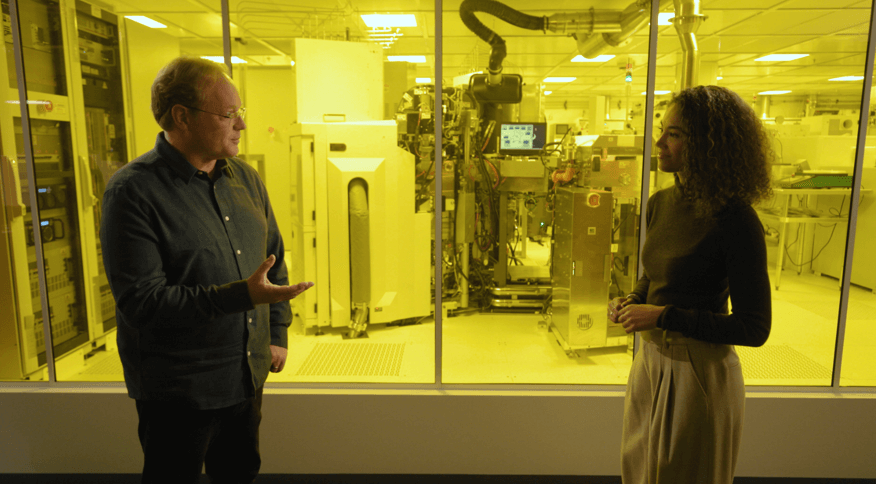
A man and woman stand in front of a window.

Beyond one-size-fits-all treatment: AI and the precision treatment of disease

AI may finally learn the language of biology — and if it does, that could open the door to true precision medicine. At a recent event in a packed Cambridge brewery, Microsoft researcher Ava Amini explained how generative models could read cells, design new proteins and move beyond today’s one‑size‑fits‑all treatments. Early results are promising, but capturing real biological diversity remains the biggest obstacle. Read on to see what Amini says about the field’s rapid progress and remaining challenges.  

A DNA double-helix shape made of dense green foliage and small yellow flowers, set against a solid light-green background.

New AI tool lets researchers simulate thousands of tumor scenarios in seconds

Cancer is among the most complex challenges in healthcare today. Now, a new AI tool from Microsoft Research allows researchers to study tumor environments at a scale never seen before. GigaTIME is already advancing research and eventually could help identify patients who might benefit from specific treatments and improve their odds.

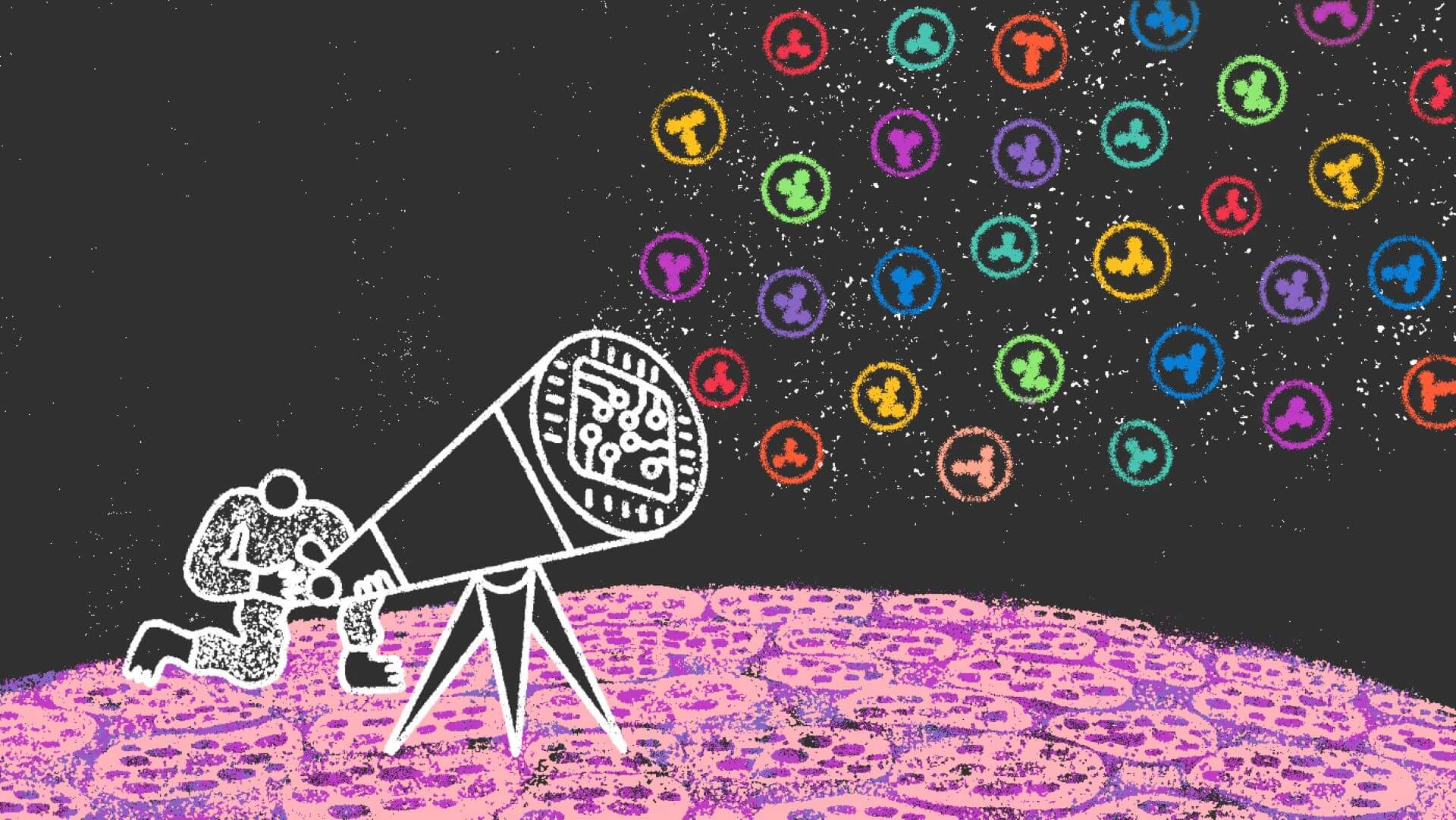
Illustration of person using a telescope with circuit design to view colorful data-like symbols in a dark sky.

The year AI becomes your teammate, not just a tool

AI is about to level up in 2026, moving from experimental sidekick to true collaborator. Experts predict a year when people and AI team up in surprising new ways. Curious what’s next? Dive into the seven trends set to define the year and discover why the smartest move isn’t competing with AI, but learning to work alongside it.

Abstract blue gradient background with geometric shapes and circular icons representing technology themes, including a microchip, stethoscope, handshake, lock, code symbol, and lab flask.

Work securely with Genspark’s AI assistants, now on Microsoft Agent 365

Move on from chatbots, there’s a better way of working with AI, says Mainfunc co-founder Eric Jing. His Genspark super agents can be prompted directly, in natural language, to edit videos, create slides, even make restaurant reservations. And now, these agents can be discovered and managed with Microsoft Agent 365, the control plane for digital assistants.

People collaborating with Microsoft Surface devices against a tech-themed background with security and productivity icons.

The complete lifecycle of AI takes the spotlight at Ignite 2025

AI is in the process of fundamentally changing how we work and solve problems. But it’s not just an add on; using AI responsibly means thinking through how it can be used most effectively at every layer. As Microsoft kicks off the annual Ignite conference today, the company is showcasing tools like Copilot, Work IQ, Fabric IQ and Agent Factory — all of which can help take organizations to the forefront of AI. Watch the keynotes and check out all the news, photos and video on the Ignite news site.

Entrance to Microsoft Ignite event with attendees walking by.

How AI is helping reshape who can build apps

“Vibe coding” is making app creation possible for anyone who can describe an idea, not just professional developers. As conversational AI tools democratize tech and speed innovation, experts say it’s important to balance creativity with thoughtful structure. Learn more about how AI is helping everyone from business professionals to experienced developers solve problems, save time and be more creative.

Illustration of a woman sitting in a chair talking, with speech visualized as computer program icons.

Microsoft AI’s push for safe, human-centered superintelligence

What kind of AI does the world really want? That’s the question Mustafa Suleyman, CEO of Microsoft AI, hopes to answer with his newly announced MAI Superintelligence Team. It’s all part of a larger move by Microsoft AI working toward Humanist Superintelligence (HSI) —incredibly advanced AI capabilities that always work for, in service of, people and humanity.

He says HSI is a common-sense approach to the field, designed to get “all the goodness of science and invention without the ‘uncontrollable risks’ part.” Keep reading for more on how Suleyman envisions ensuring humanity remains at the top of the food chain.

Colorful impressionistic illustration of people biking along a winding path and swimming in a nearby body of water, surrounded by vibrant greenery, flowers, and distant mountains under a blue sky.

3 Microsoft leaders share big ideas on the future of AI, gaming and work

What happens when AI becomes a personalized companion? What can media learn from gaming? And why should humans rethink our skills and talent strategies in the era of AI? These were the big questions explored by Microsoft leaders at the Paley International Council Summit. Mustafa Suleyman, Phil Spencer and Ryan Roslansky shared bold visions for the future of AI, gaming and work.

Researchers find — and help fix — a hidden biosecurity threat

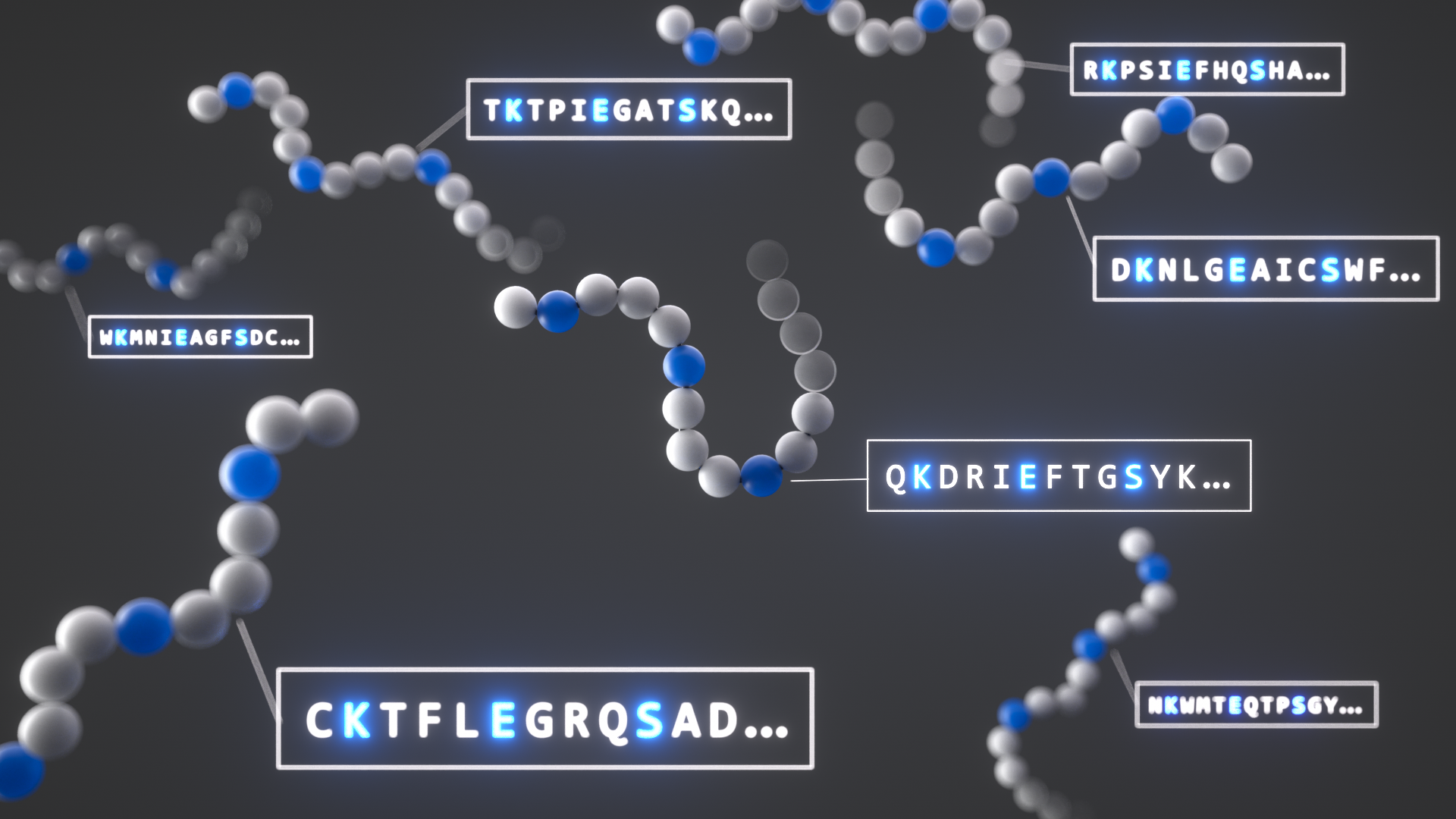
Proteins are the engines and building blocks of biology — powering how organisms adapt, think and function. AI is helping scientists design new protein structures from amino acid sequences, opening doors to new therapies and cures.

But with that power also comes serious responsibility: Many of these tools are open source and could be susceptible to misuse. Learn how Microsoft scientists discovered a blind spot in biosecurity and worked to address the problem.

Graphic of protein sequences shown as labeled chains of spheres on a dark background.

Meet the AI assistant that does huge tasks in minutes

A new AI agent in Microsoft 365 Copilot is like having a super-efficient assistant built into your everyday tools, helping you do more and save time. Researcher can analyze mountains of data to give you insightful expertise in minutes, whether you’re preparing for a big meeting or brainstorming new product ideas. Learn more about what it can do for you.

An illustration of a woman in a blue blazer at a laptop. Text behind her says "Researcher."

AI chips are heating up — and Microsoft has a cooler idea

The chips powering today’s AI breakthroughs run hotter than ever, outpacing previous generations of silicon. To cool things down, Microsoft is testing a new microfluidics system that skips the cold plates and sends liquid coolant straight into the silicon — right where the heat is. Read more about how.

Microsoft has demonstrated a new way to cool silicon chips using microfluidics. Channels are etched in the silicon that allow cooling liquid to flow directly onto the chip and more efficiently remove heat. The team also used AI to identify the unique heat signatures on a chip and direct the coolant with more precision.

How AI is quietly rewriting the rules of modern medicine

From diagnosing rare conditions to improving the patient experience, AI is transforming how we practice medicine.  

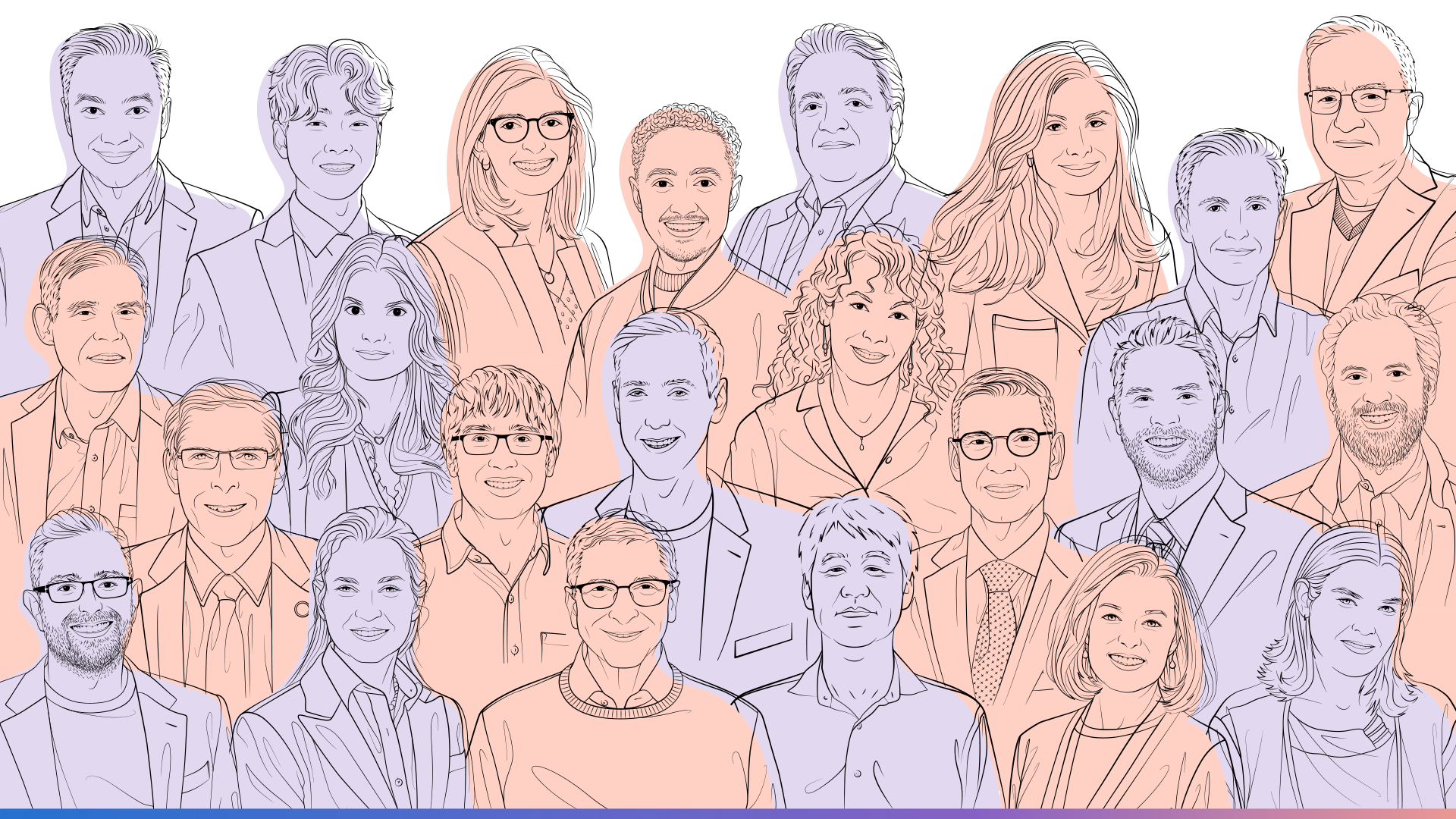
In the podcast series “The AI Revolution in Medicine, Revisited,” Microsoft Research President Peter Lee sits down with experts across health and life sciences to explore all the ways AI is changing the game.

Stylized group illustration featuring 22 individuals in pastel line art, arranged in overlapping rows against a white background. Microsoft’s Peter Lee appears at the center, anchoring the composition. Each person is depicted with detailed facial features and formal attire, suggesting a professional setting.

Still human, still hired: 3 career skills that outperform AI

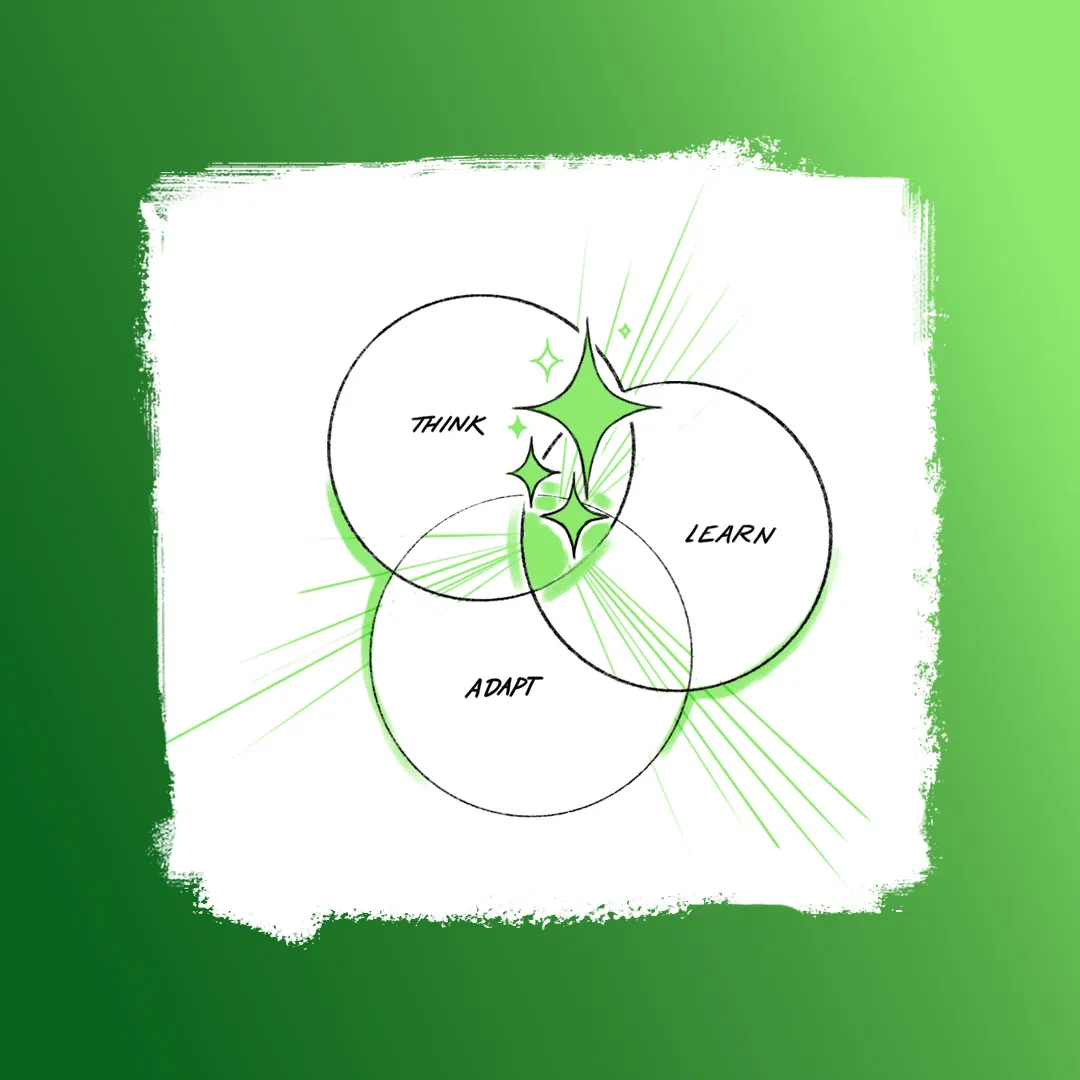
AI’s shaking up the workplace automating the repetitive, spotlighting the creative and turning skill-building into the new hustle. But in an era where technology can assist more than ever, your edge lies in being distinctly human. Here are three must-have career skills worth doubling down on. No code required.

Three circles form a Venn Diagram with the words "Think," "Learn" and "Adapt" on a green background.

How Microsoft is working to shut down AI deepfake hackers

It was a slow Friday afternoon in July when a seemingly isolated problem appeared on the radar of Phillip Misner, head of Microsoft’s AI Incident Detection and Response team. Someone had stolen a customer’s unique access code for an AI image generator and was going around safeguards to create sexualized images of celebrities.  

Misner and his coworkers revoked the code but soon saw more stolen customer credentials, or API keys, pop up on an anonymous message board known for spreading hateful material. They escalated the issue into a company-wide security response in what has now become Microsoft’s first legal case to stop people from creating harmful AI content.   

A woman in a mauve sweater with a creatively pixelated face

3 new ways AI agents can help you do even more 

The word “agent” might remind us of a human who plans travel or maybe a well-dressed British spy. But in the rapidly evolving world of AI, the term has a whole new meaning that is reshaping our interaction with technology and automation.

The teacher-approved ways students are using AI 

Using AI to write a whole term paper might be tempting, but there are smarter, teacher-approved ways to use the tech. Younger kids should first build skills with AI tools, says Aren Uzun, a 12-year-old seventh grader. Generative AI is opening new paths for learning, from tutoring to study guides, for all ages. Hear from students, parents and educators who’ve embraced AI for tips on how to use it responsibly at every grade level. 

A young boy sits at a laptop in a classroom.