

Datacenters: The secret to connectivity

Fast facts about our datacenters



Sustainability
Microsoft is committed to harnessing the power of technology to help everyone, everywhere build a more sustainable future. In 2020, Microsoft announced that we would work to become a carbon negative, water positive and zero waste company, while protecting ecosystems, all by 2030. On this journey, we’re identifying ways to make our datacenters use fewer resources, mitigating water stress and safeguarding critical watersheds wherever we operate. We are also investing in climate solutions through our Climate Innovation Fund, purchasing and supporting development of renewable energy and partnering on high-quality carbon removal projects around the world.
Global footprint


Future of datacenters

In communities




Microsoft datacenters image gallery

Sustainability
 Web
Print
Web
Print
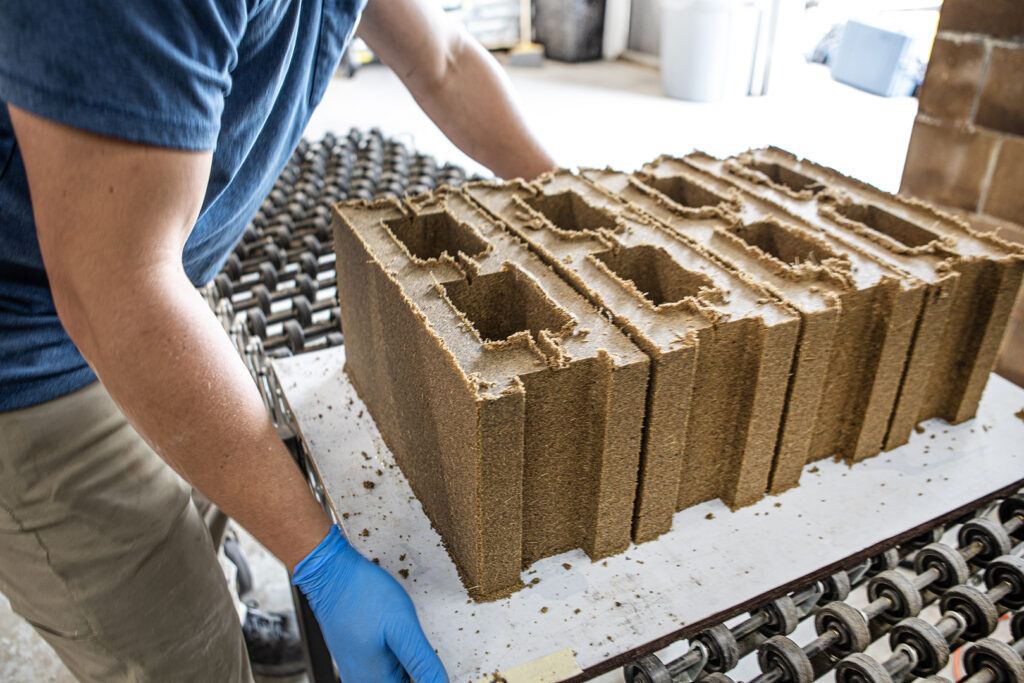
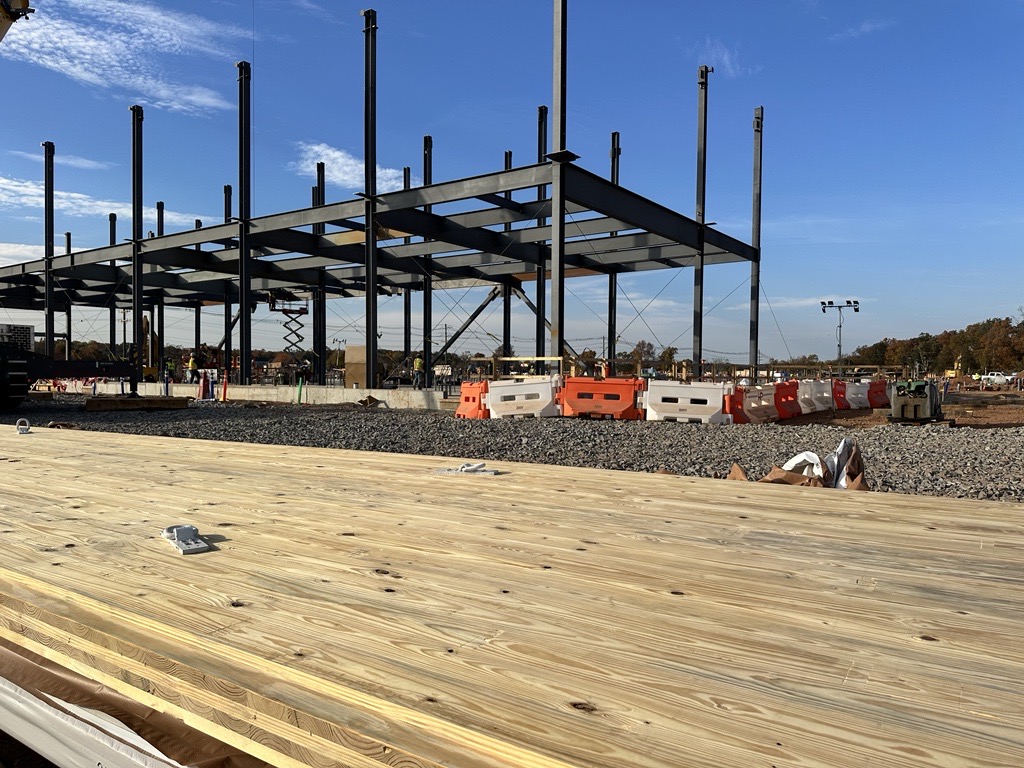
The use of cross-laminated timber in two new Microsoft datacenters in northern Virginia will help reduce the reliance on steel and concrete, significantly lowering carbon emissions.
 Web
Print
Web
Print
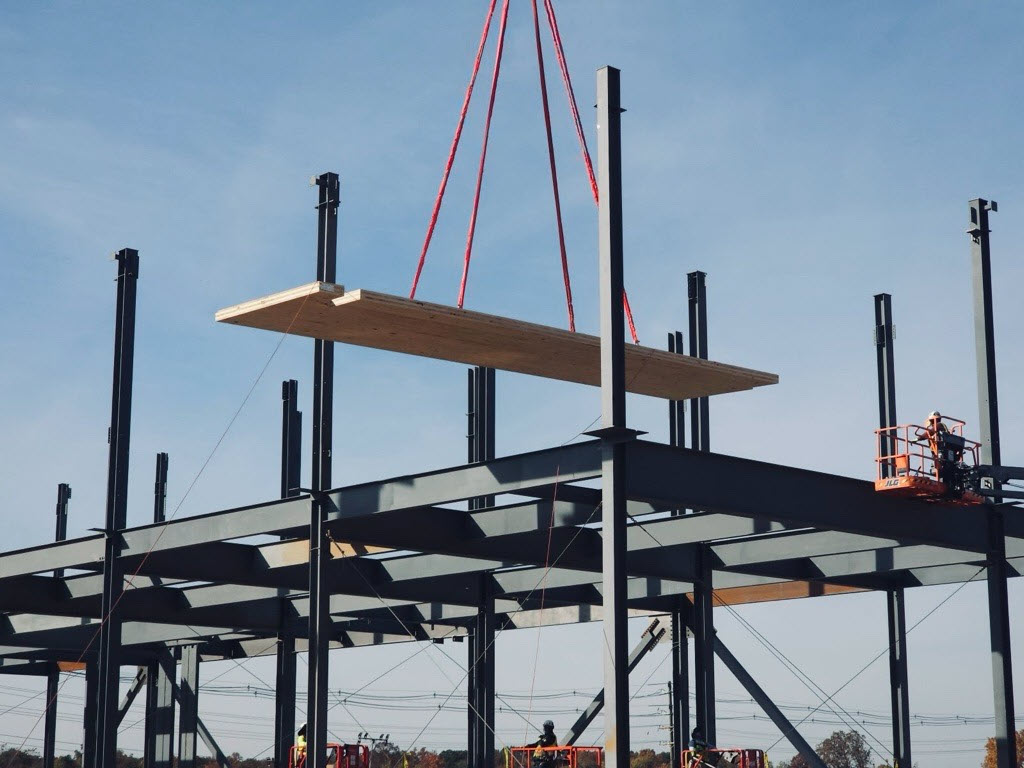
Cross-laminated timber being used in two new Microsoft datacenters under construction in northern Virginia will enable the company to reduce the use of steel and concrete, two big contributors to carbon emissions.
 Web
Print
Web
Print
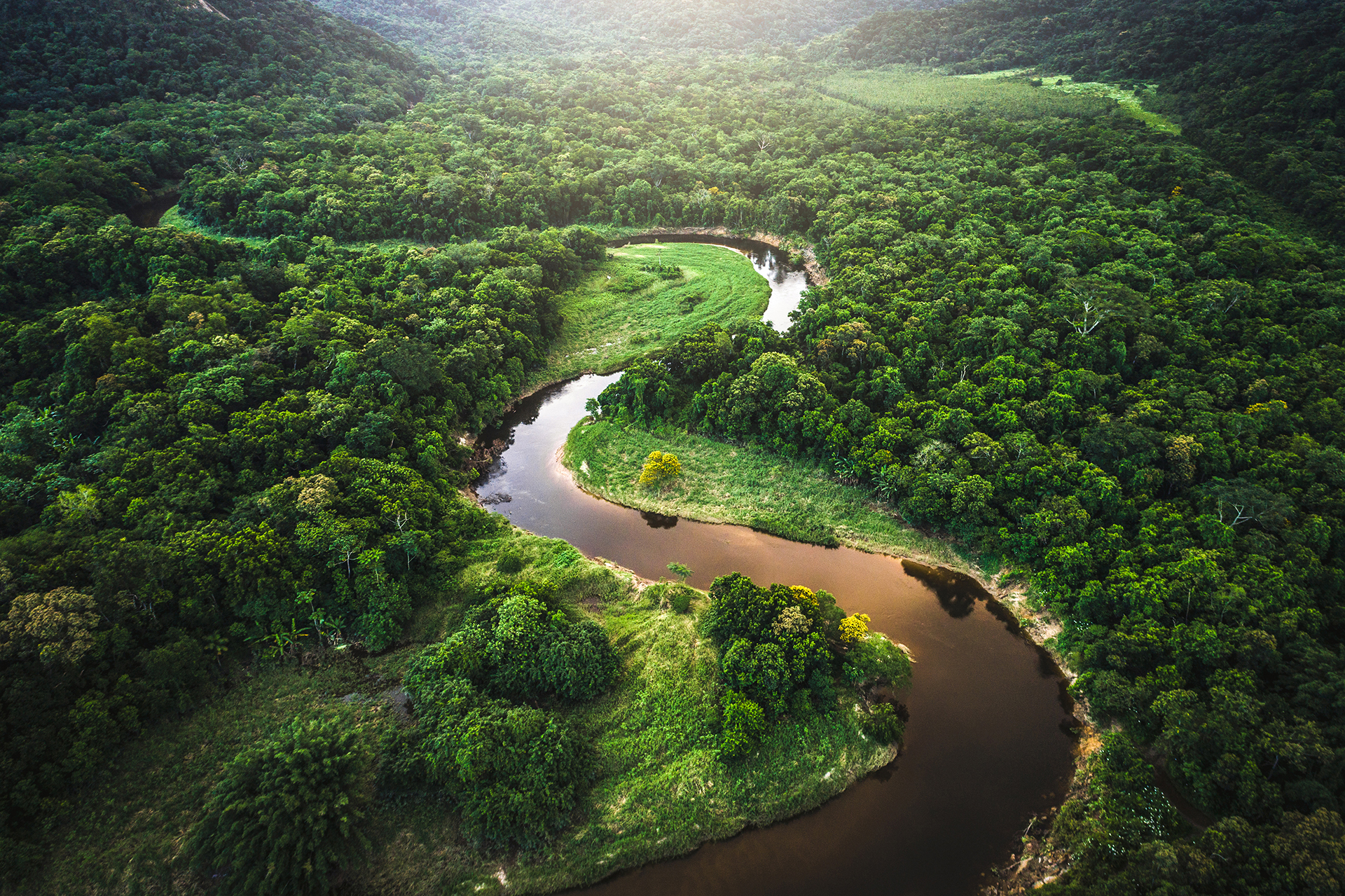
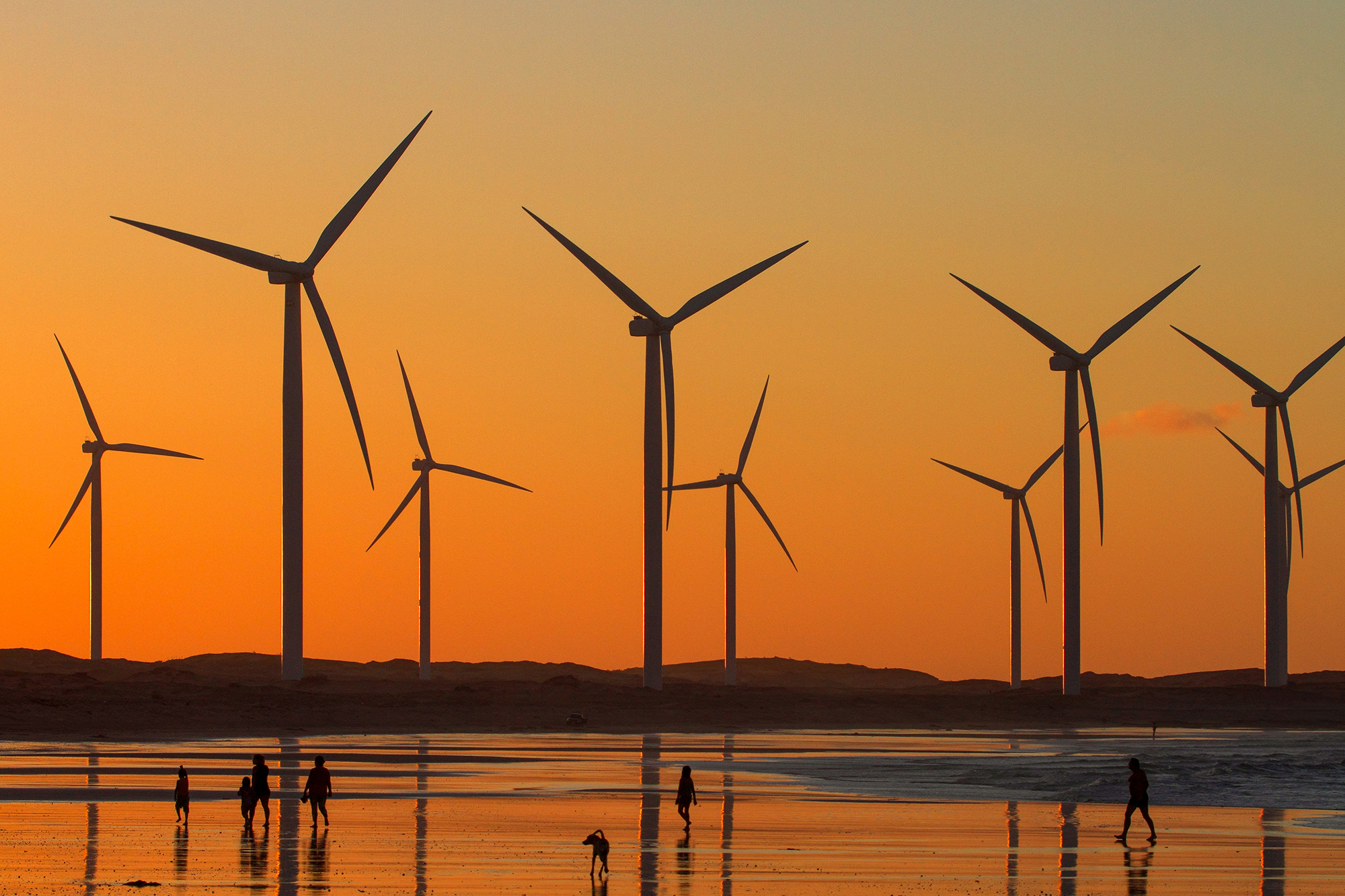
Microsoft is investing in reforestation projects in Brazil to support carbon capture and removal.
 Web
Print
Web
Print
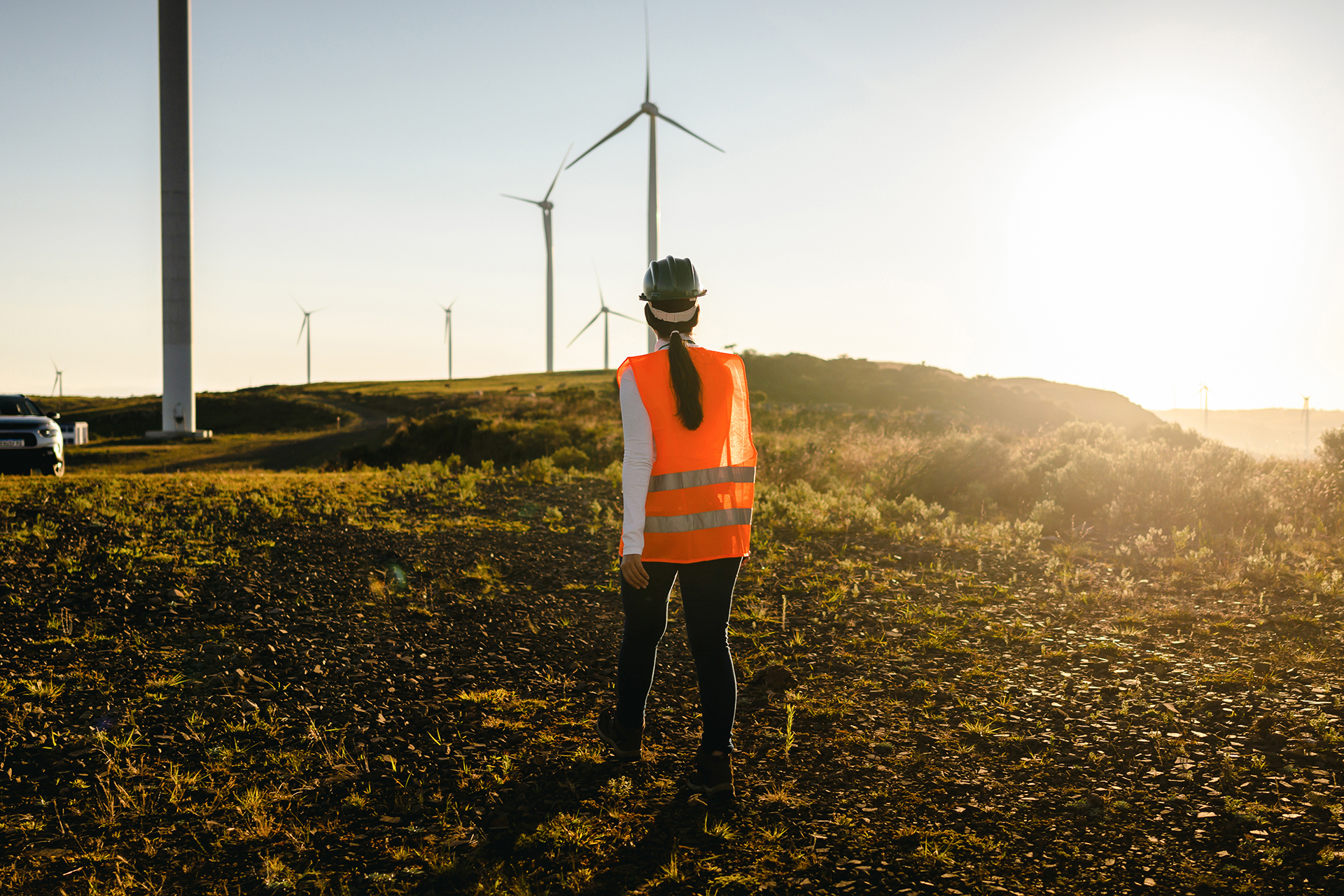
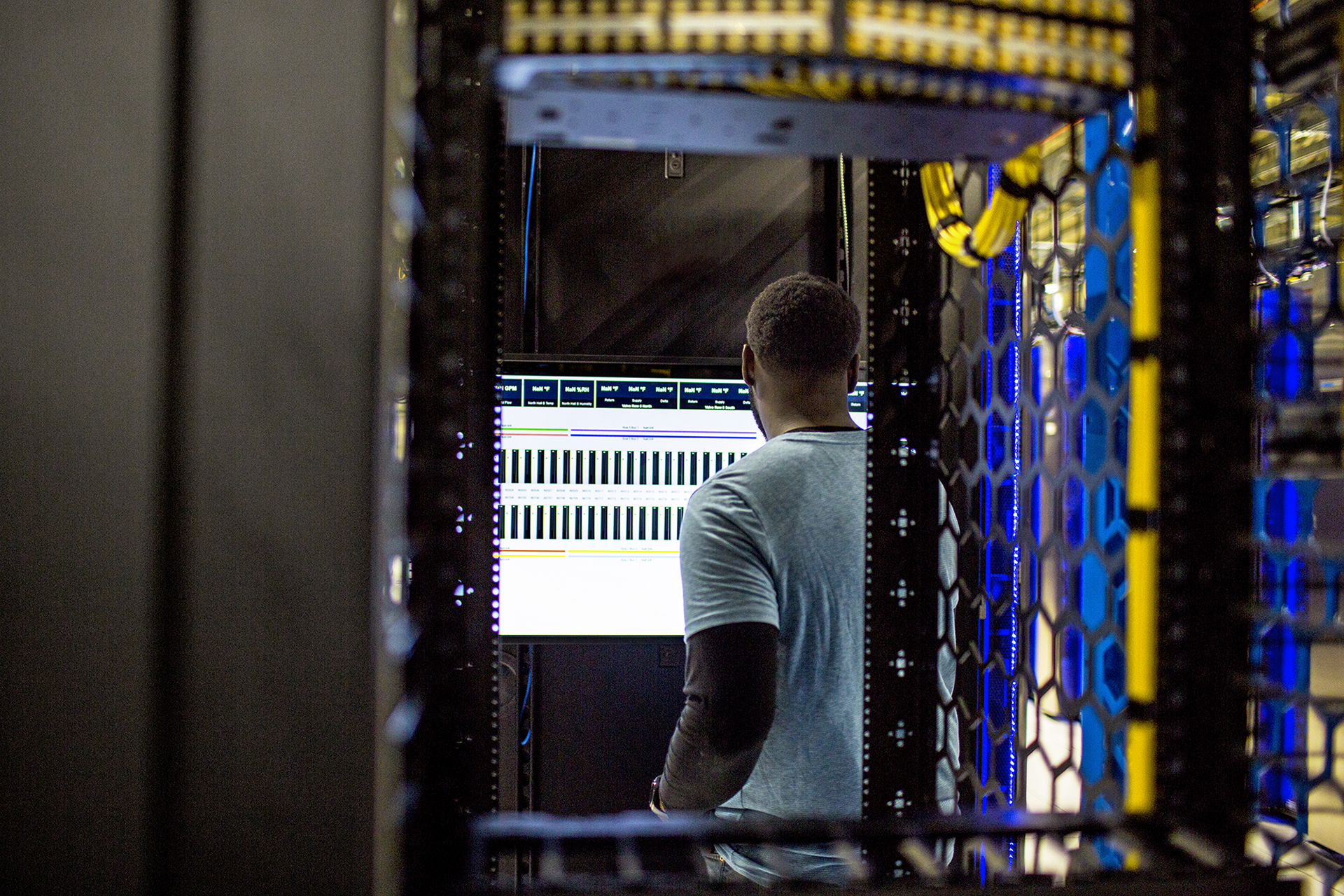
Technicians build and maintain a LinkedIn server farm, which operates on 100% renewable energy and uses eco-friendly solutions such as using reclaimed water for cooling.
 Web
Print
Web
Print
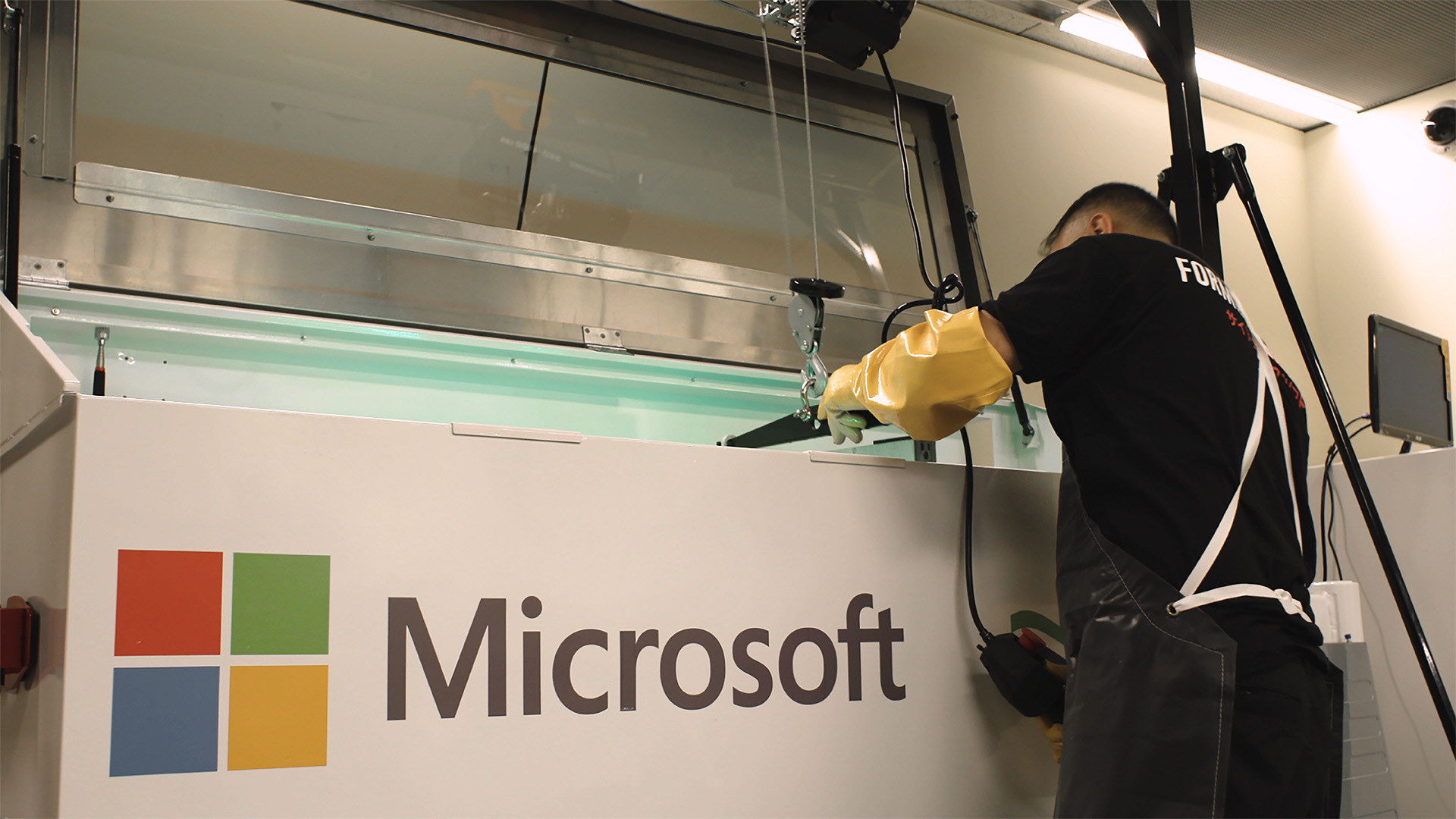
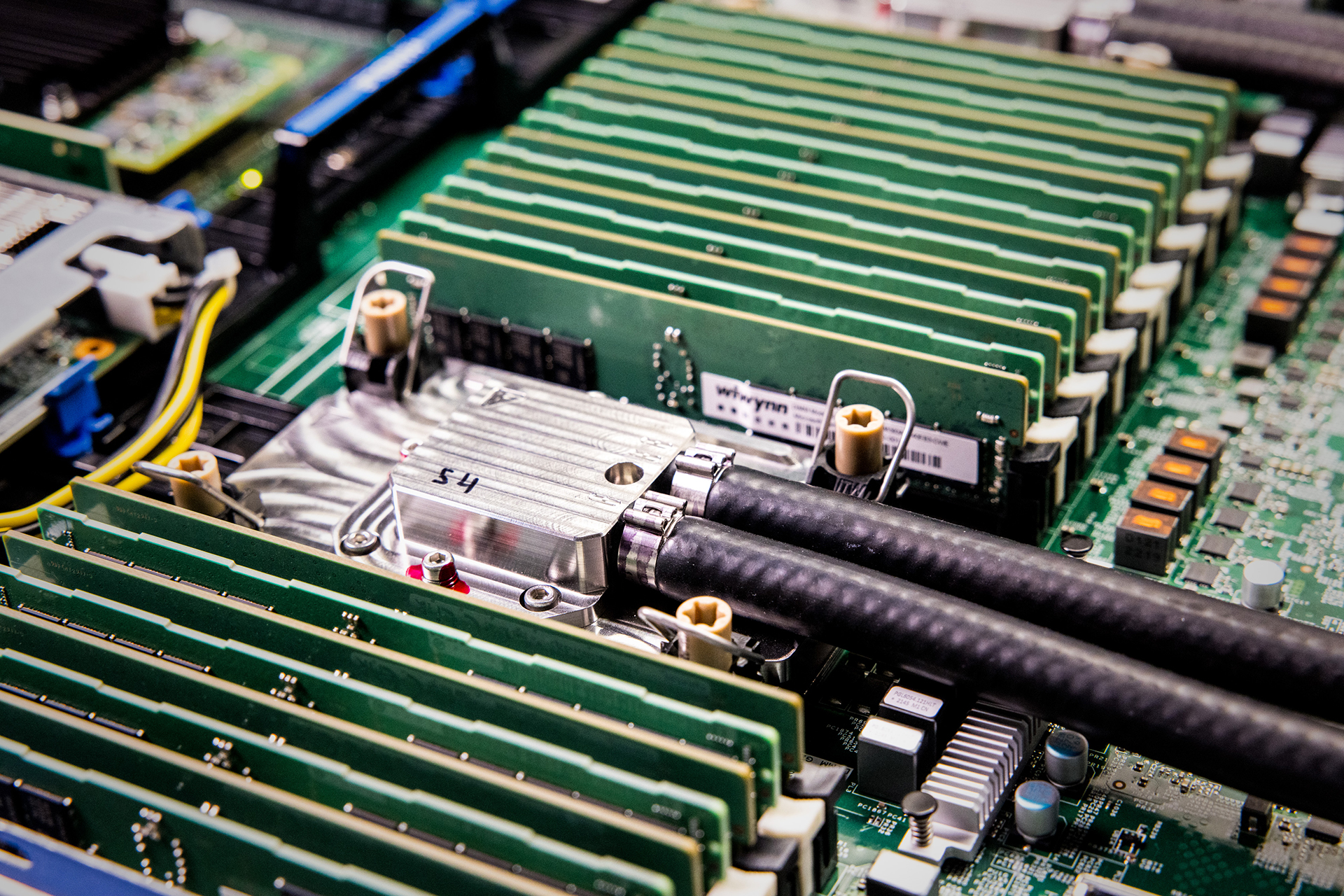
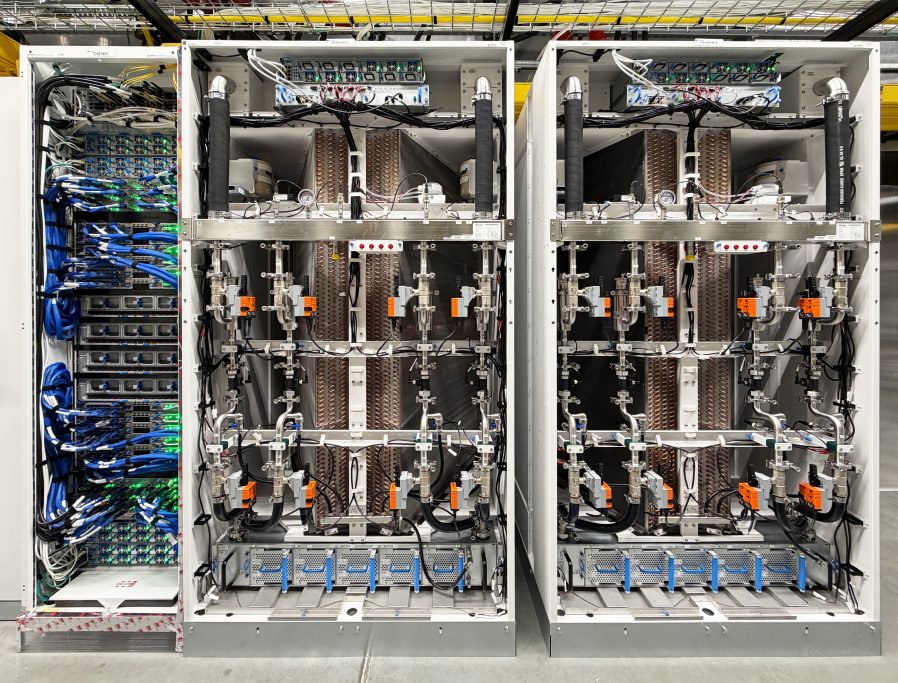
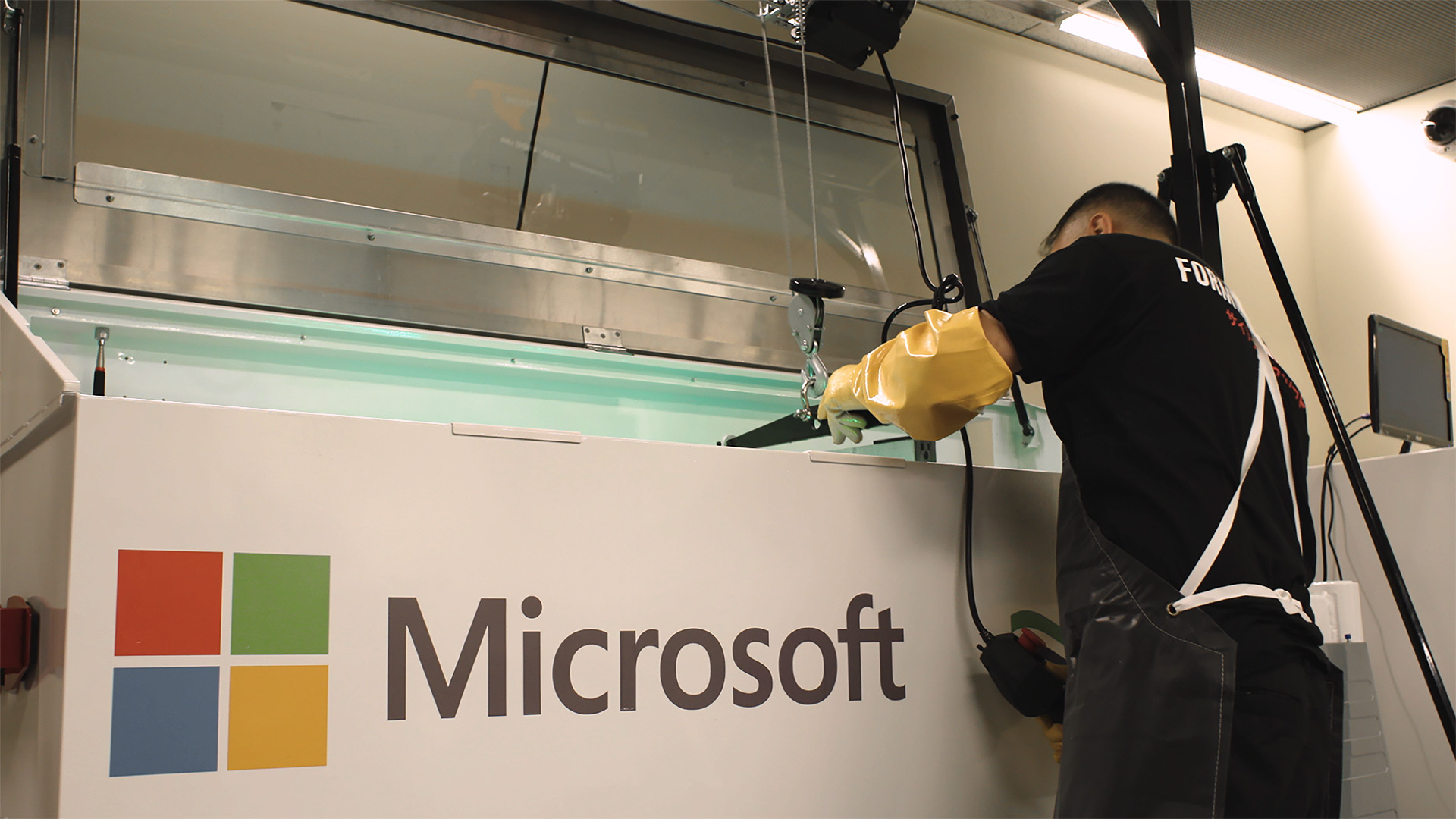
Microsoft developed a liquid cooling tank prototype for immersion cooling, used as an alternative to traditional air-cooled chilling techniques used in datacenters.
 Web
Print
Web
Print
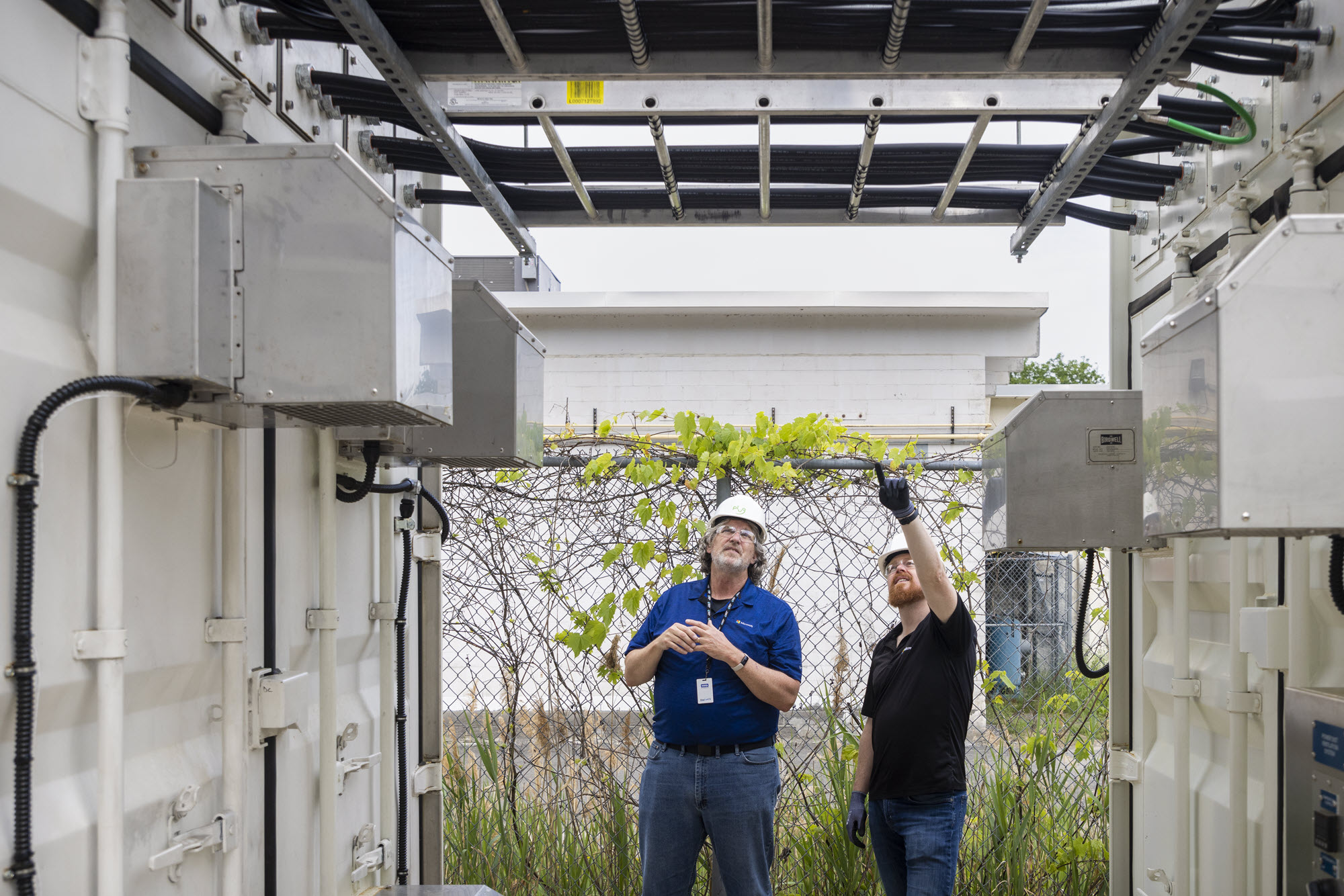
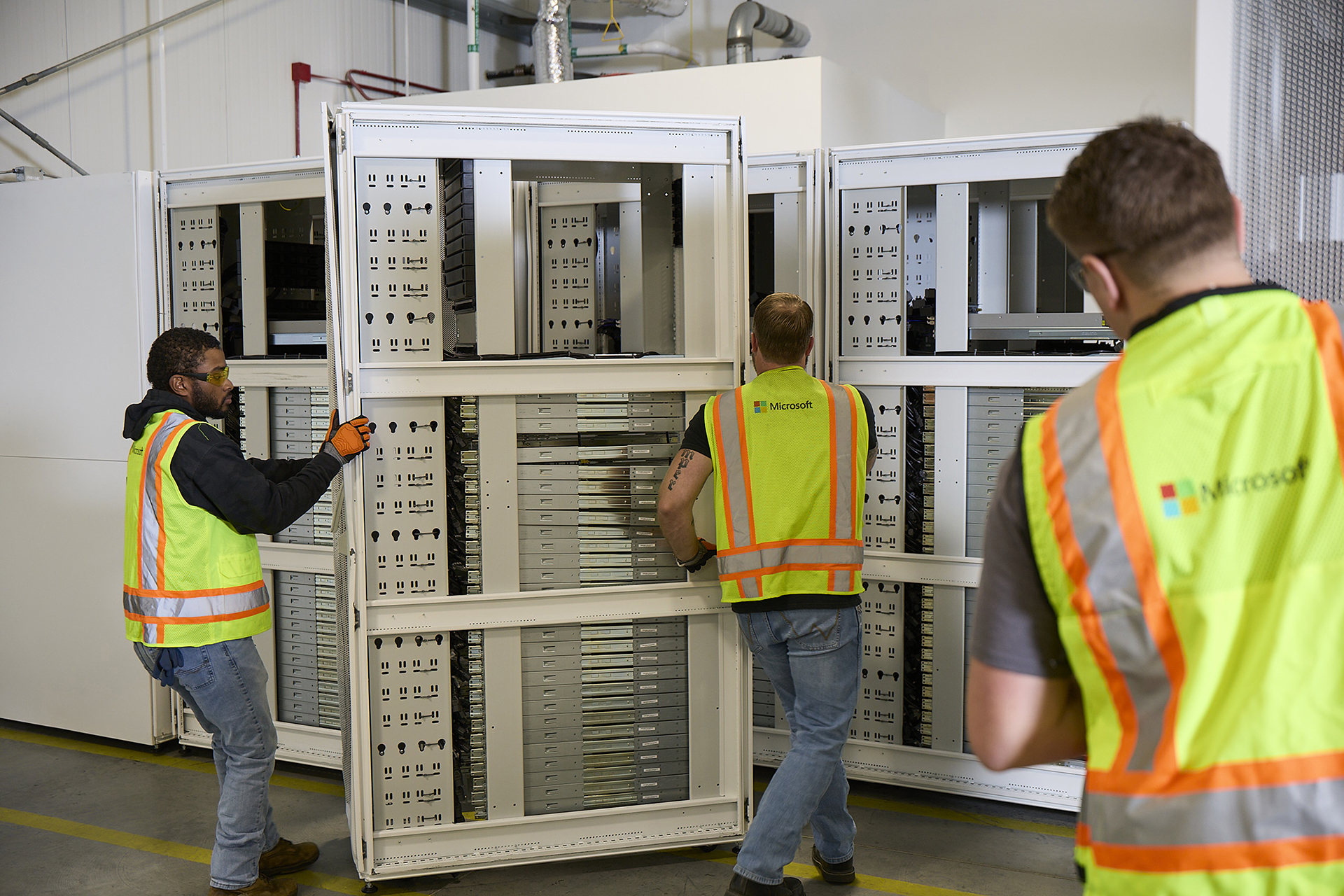
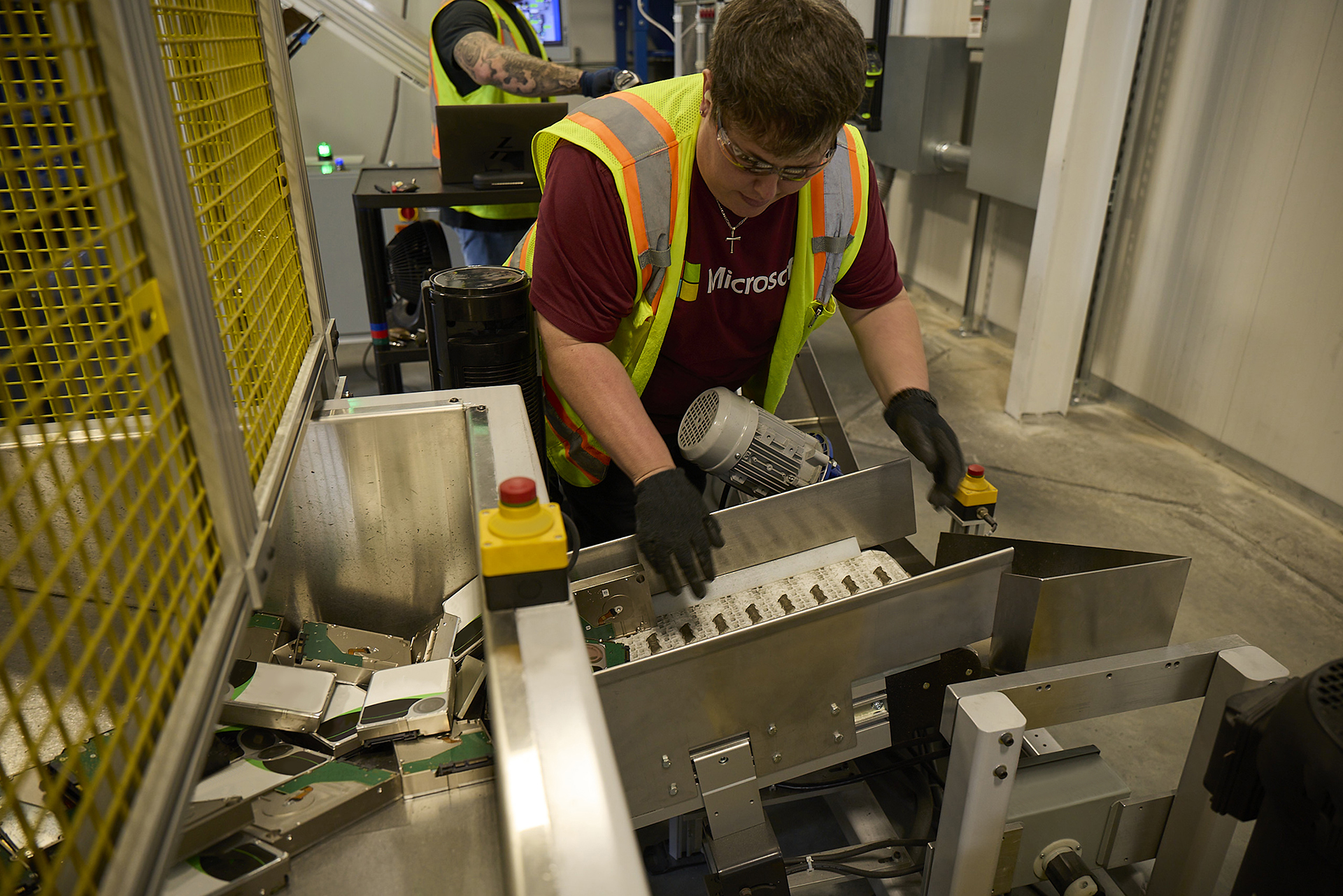
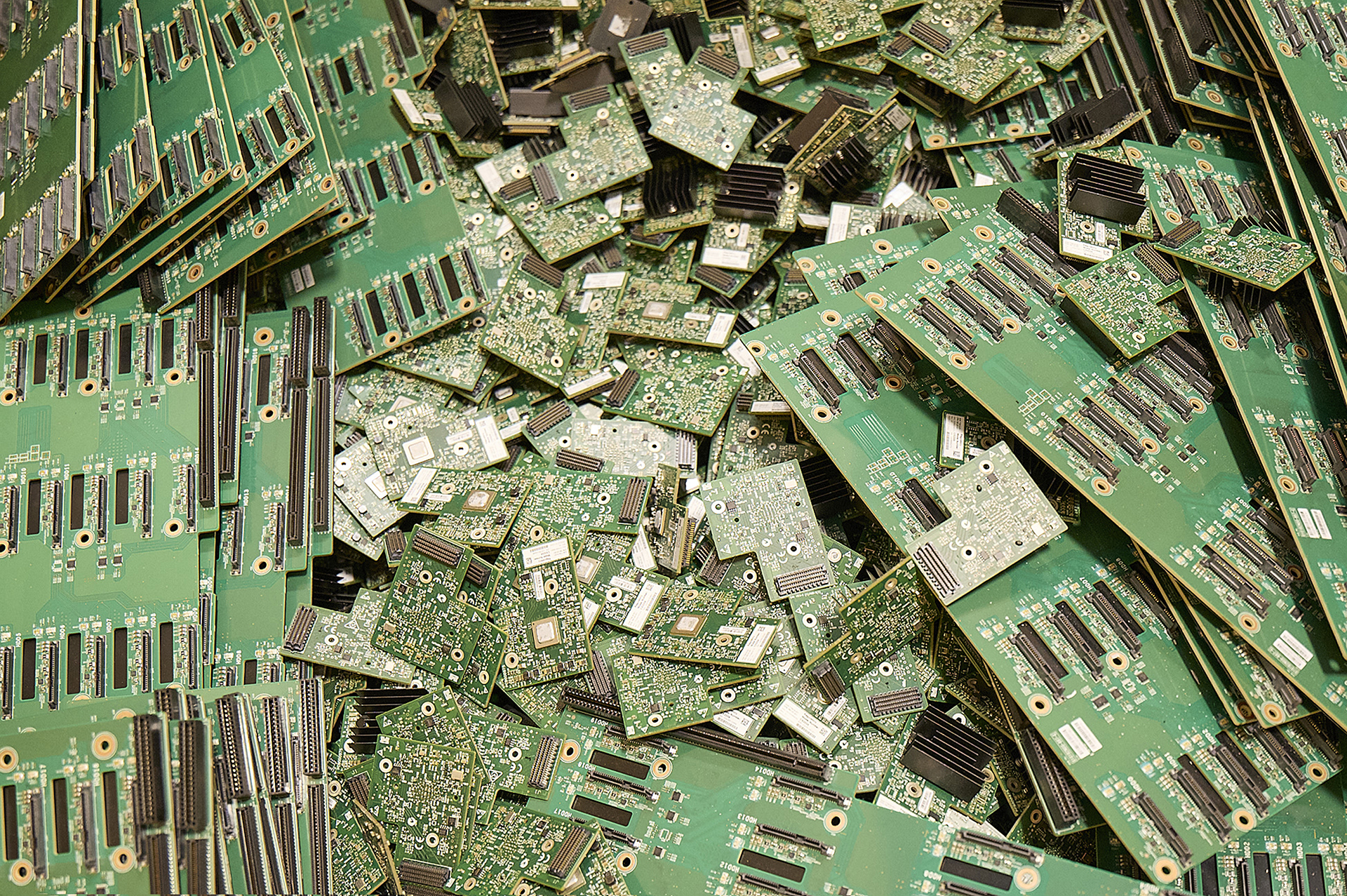
Depending on its size, a Microsoft Circular Center can process 3,000-12,000 servers per month for reuse and recycling, diverting waste that would customarily go to landfills. (Samuel Saddens Jr, left; Emory V. Hoke II, center; Hunter Roberts, right)
For press inquiries contact WE Communications